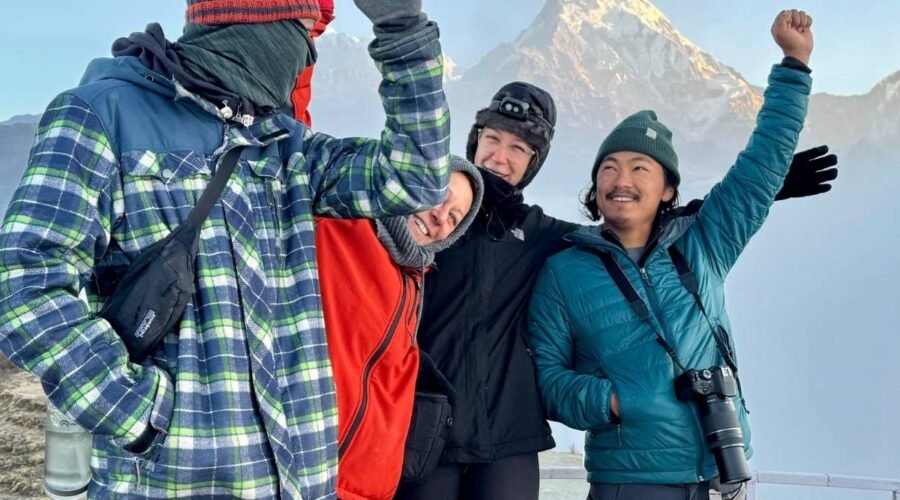
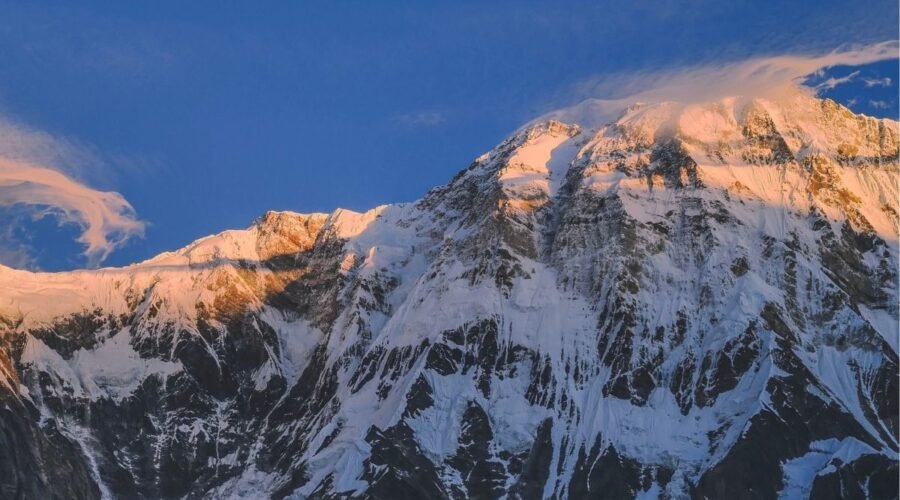
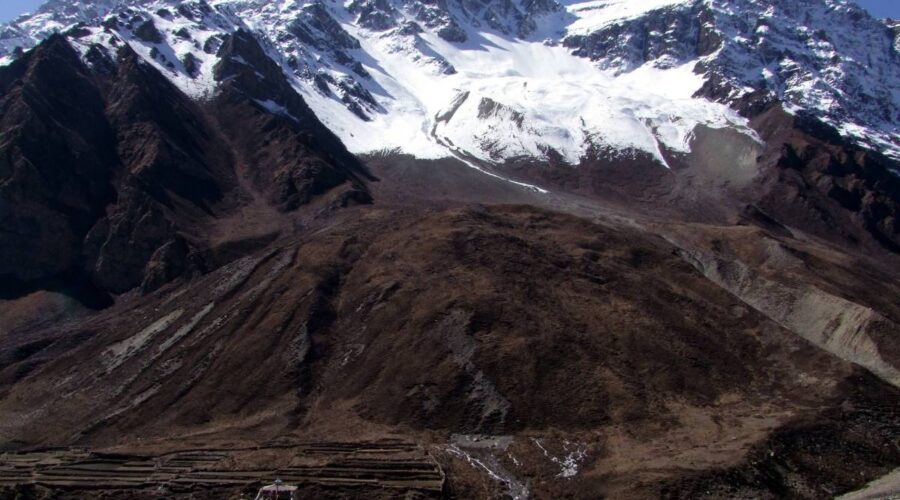
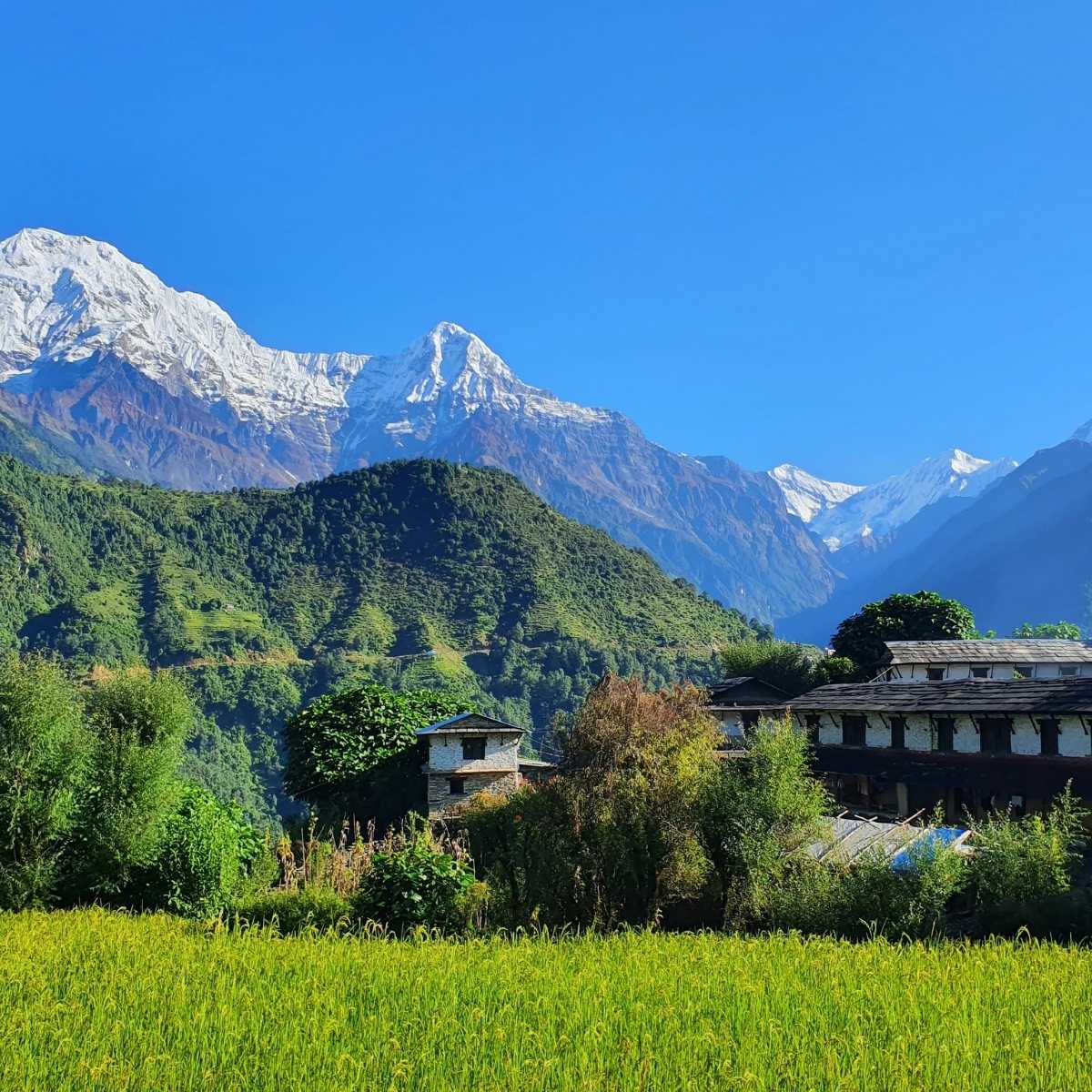
The Annapurna Base Camp & Poon Hill Trek combines two of the most iconic experiences in the Annapurna region. From traditional Gurung villages and lush rhododendron forests to the high Himalayan landscape, this trek offers a great mix of culture, nature and adventure.
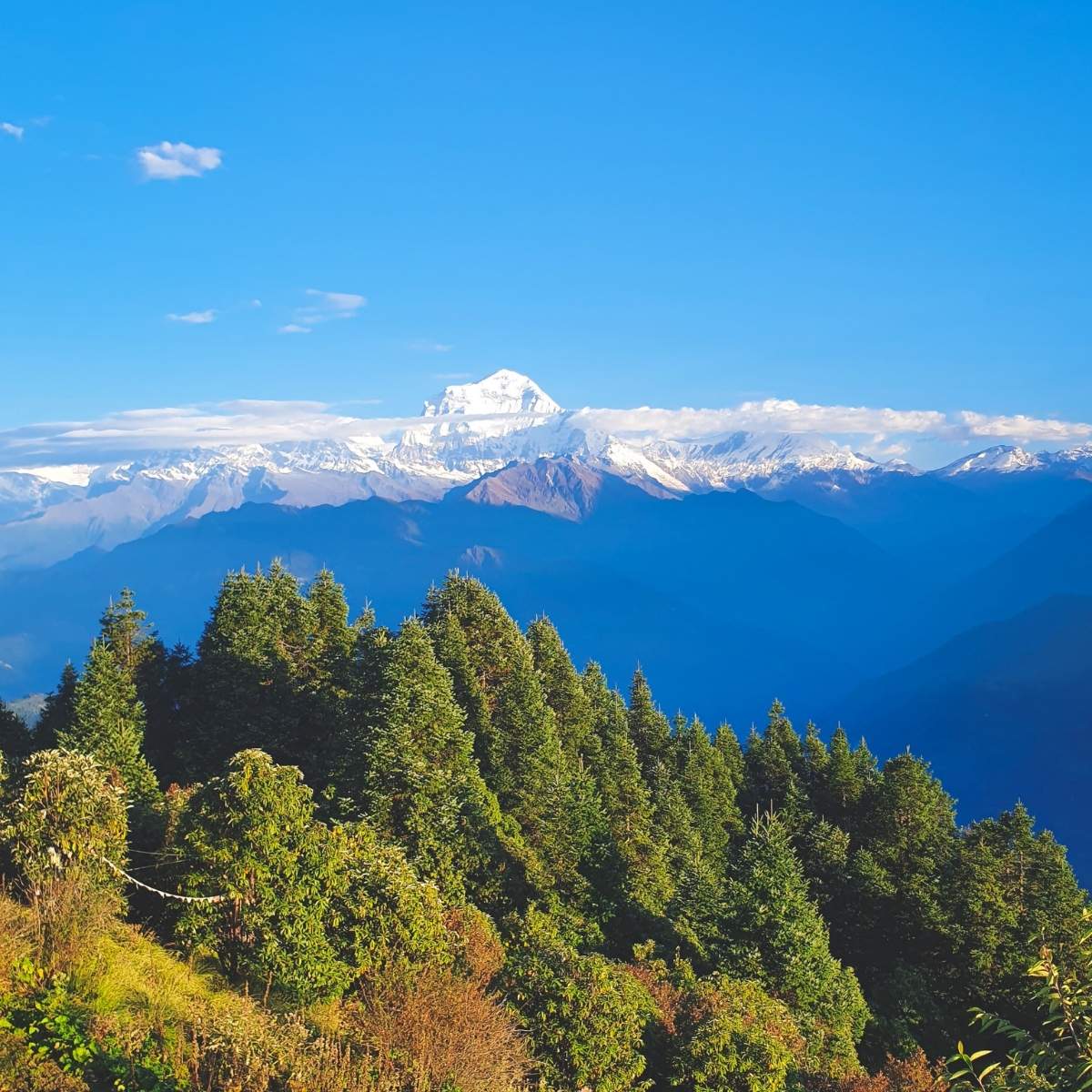
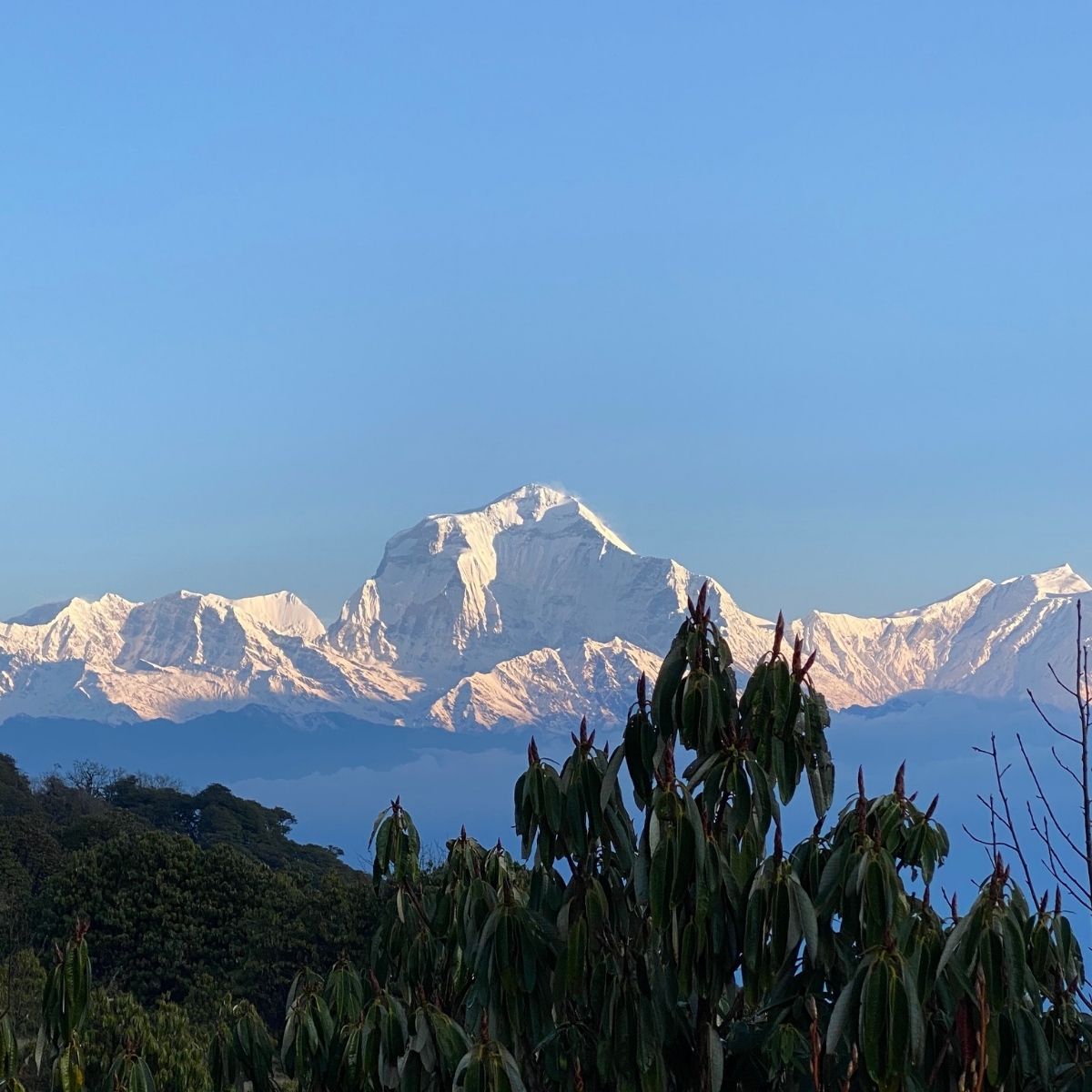
The journey begins around Pokhara and takes us through beautiful mountain villages and forested trails before reaching Poon Hill (3,210m). An early morning climb rewards us with spectacular sunrise views over Dhaulagiri, Annapurna I, Annapurna South and Nilgiri.
From Poon Hill, we continue deeper into the Annapurna Sanctuary, following the Modi Khola through forests, suspension bridges and increasingly dramatic mountain scenery. The trail eventually reaches Machhapuchhre Base Camp and then Annapurna Base Camp (4,130m), surrounded by an incredible 360° panorama of the Annapurna massif.
After enjoying the mountains at their best, we descend through the valley and return to Pokhara.
With around 6–7 hours of walking per day, this is a moderate trek suitable for both experienced trekkers and those looking for their first Himalayan adventure. It is the perfect combination of mountain views, local culture, beautiful landscapes and the unforgettable experience of reaching Annapurna Base Camp.
This is a moderate trek with a good mix of easier trails and more demanding sections, particularly the long stone staircases and the climb towards Annapurna Base Camp. Expect around 6–7 hours of walking per day, with plenty of breaks to enjoy the scenery and local villages. The highest point is 4,130m, so a steady pace is important as we gain altitude. No previous trekking experience is required, but a reasonable level of fitness will make the journey much more enjoyable.
The day before our trekking expedition begins, we’ll gather for a memorable welcome dinner. It’s a perfect occasion for us to connect and become acquainted with one another before we set off on our exciting adventure. This dinner also provides a valuable opportunity for you to approach your guide with any final questions or concerns you may have.
Vehicle: 3–4 h
Trek: 2 h, 200 m ascent, 50 m descent, 4 km distance
We leave Pokhara after breakfast and drive towards Ulleri, where we start walking. The first part of the trek is short and easy, taking us through green hills and small villages. We continue towards Banthanti, enjoying our first views of the mountains and getting into the rhythm of the trek.
Trek: 5–6 h, 700 m ascent, 150 m descent, 10 km distance
Today we make our way through beautiful rhododendron forests towards Ghorepani. There are plenty of steps along the way, but we can take our time and stop whenever we feel like it. As we get higher, the views open up and the mountains become more impressive.
Trek: 5–6 h, 400 m ascent, 700 m descent, 12 km distance
We start the day early with a climb to Poon Hill for sunrise. From the viewpoint, we can enjoy incredible views of Dhaulagiri, Annapurna, Machhapuchhre and the surrounding peaks. After breakfast, we continue along forested trails, passing small villages and gradually making our way to Chuile.
Trek: 6–7 h, 600 m ascent, 800 m descent, 14 km distance
Today we continue deeper into the Annapurna region, passing through beautiful villages and forests. We reach Chhomrong, one of the most important villages on the route, with great views of the surrounding mountains. From here, we continue towards Sinuwa, where we spend the night.
Trek: 5–6 h, 700 m ascent, 500 m descent, 11 km distance
The trail takes us further into the valley, following the Modi Khola through dense forests of bamboo, rhododendron and oak. We cross suspension bridges and pass through Bamboo and other small settlements before reaching Dovan, surrounded by the quiet mountain forest.
Trek: 5–6 h, 700 m ascent, 100 m descent, 8 km distance
As we gain altitude, the landscape starts to change. The forest becomes thinner and the mountains feel much closer. We pass Himalaya and continue towards Deurali, taking our time to enjoy the increasingly dramatic scenery.
Trek: 6–7 h, 900 m ascent, 100 m descent, 8 km distance
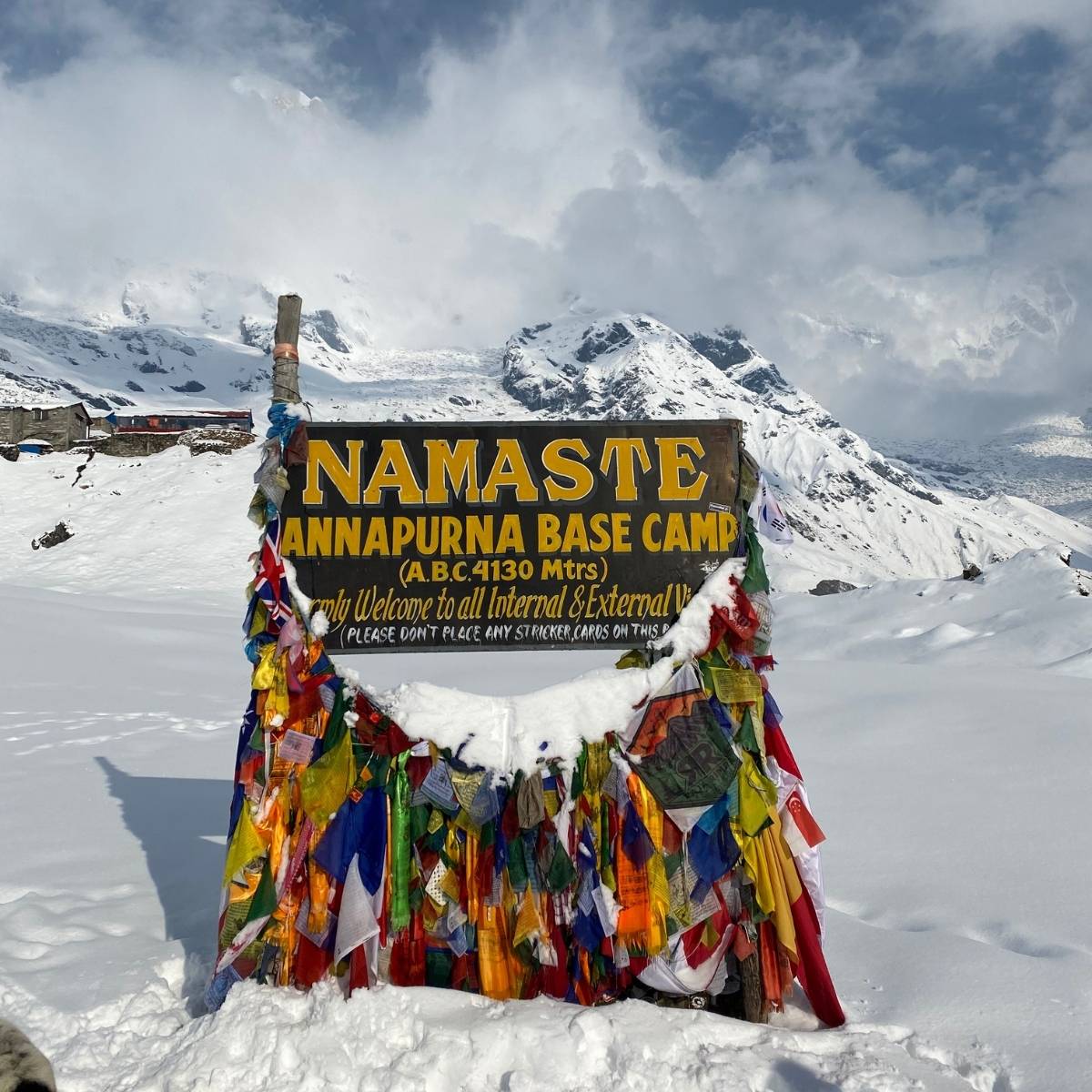
This is the big day! We leave Deurali and gradually enter the high mountain landscape, passing Machhapuchhre Base Camp before continuing towards Annapurna Base Camp at 4,130m. Surrounded by huge Himalayan peaks, reaching ABC is an unforgettable moment and one of the highlights of the whole trek.
Trek: 6–7 h, 50 m ascent, 1,700 m descent, 15 km distance
After enjoying the sunrise over the Annapurna mountains, we start our descent. The trail feels very different going down, and we can enjoy the scenery from a new perspective. We retrace our steps through the valley and forests until reaching Bamboo.
Trek: 5–6 h, 500 m ascent, 700 m descent, 12 km distance
We continue downhill through the forest, passing villages and suspension bridges along the Modi Khola. By the afternoon, we reach Jhinu Danda, where we can finally relax and enjoy the famous natural hot springs—a well-deserved reward after several days on the trail.
Vehicle: 3–4 h
Trek: 2–3 h, 100 m ascent, 500 m descent, 7 km distance
Our final morning on the trail takes us through the lower hills towards the road. From here, we drive back to Pokhara, arriving in time to relax, have a good meal and enjoy a well-earned shower after an incredible journey through the Annapurna region.
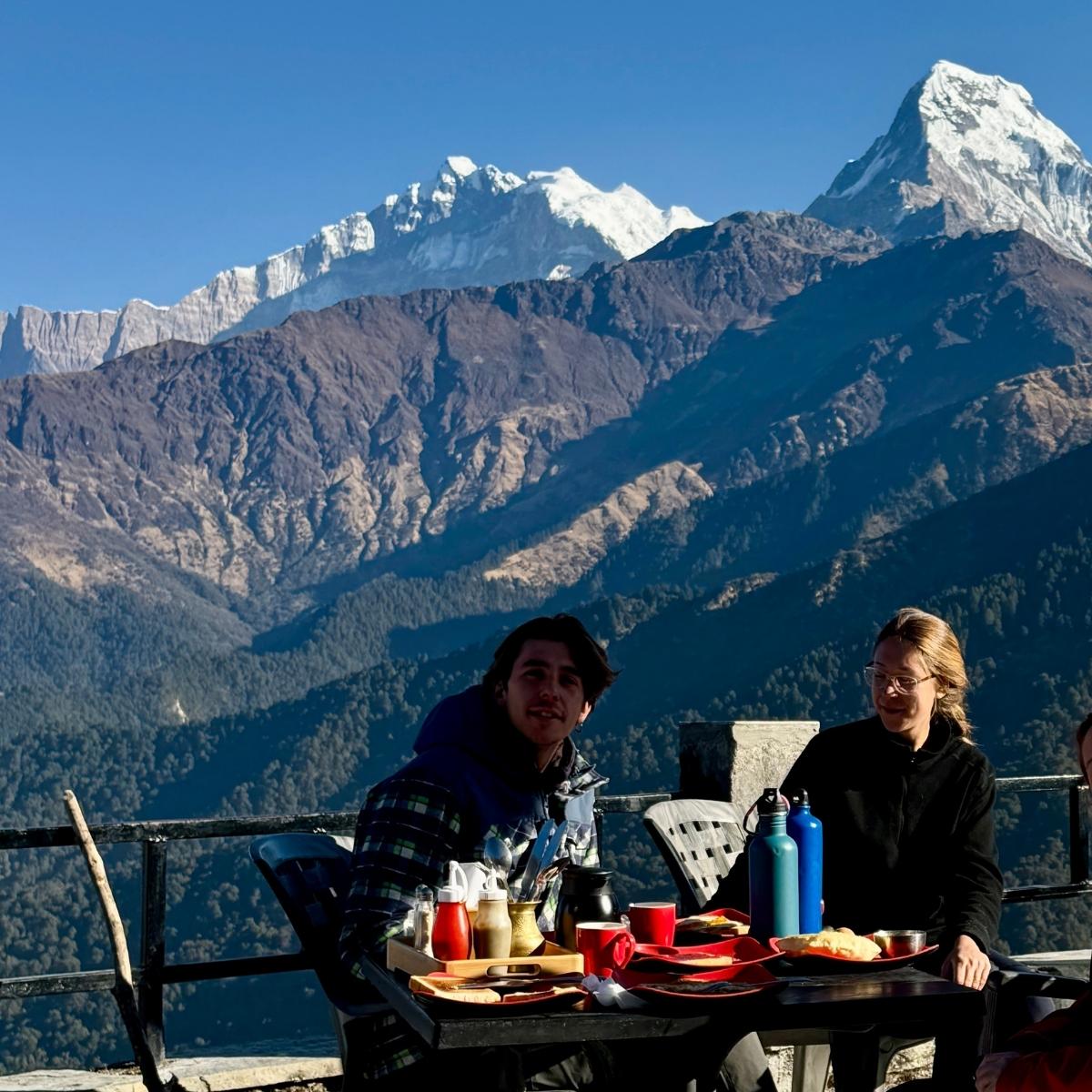
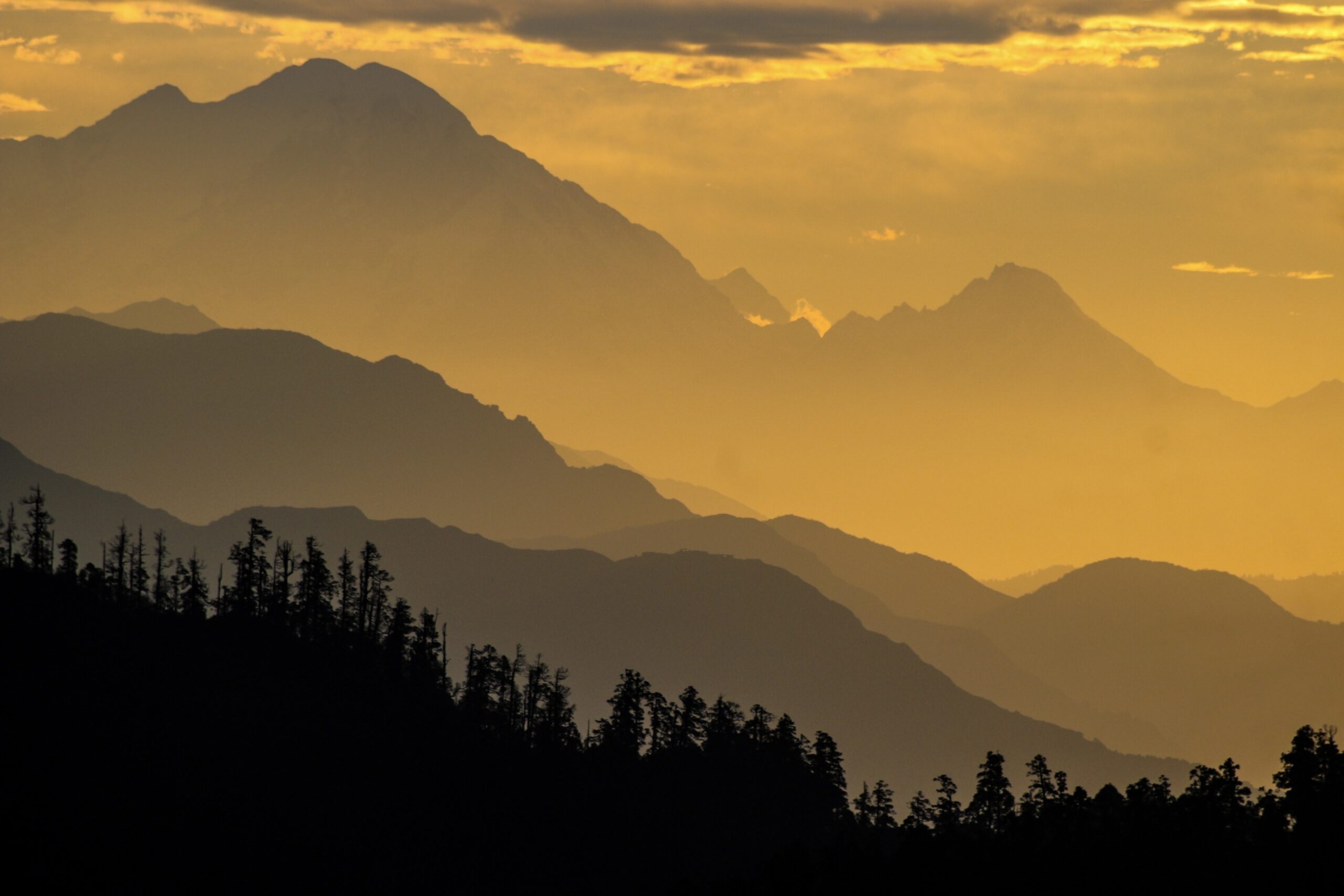
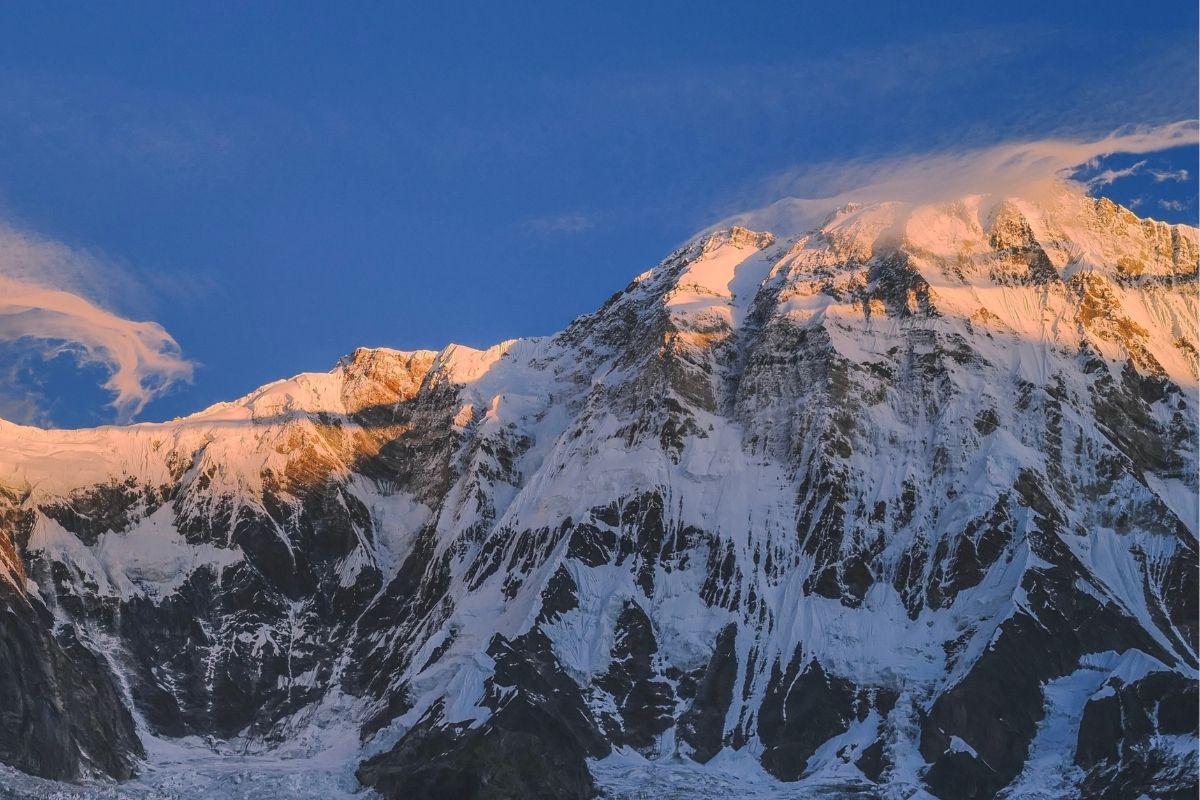




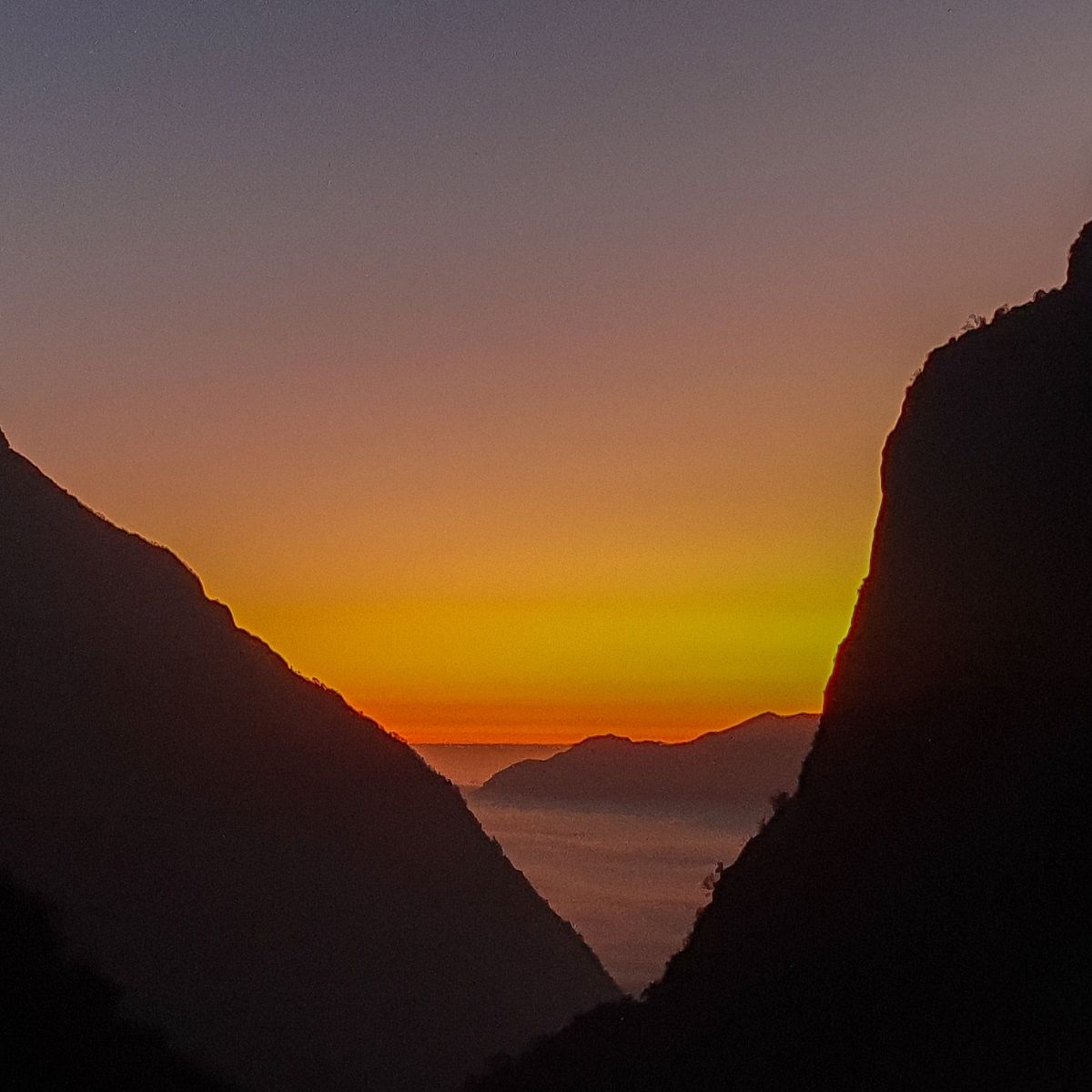

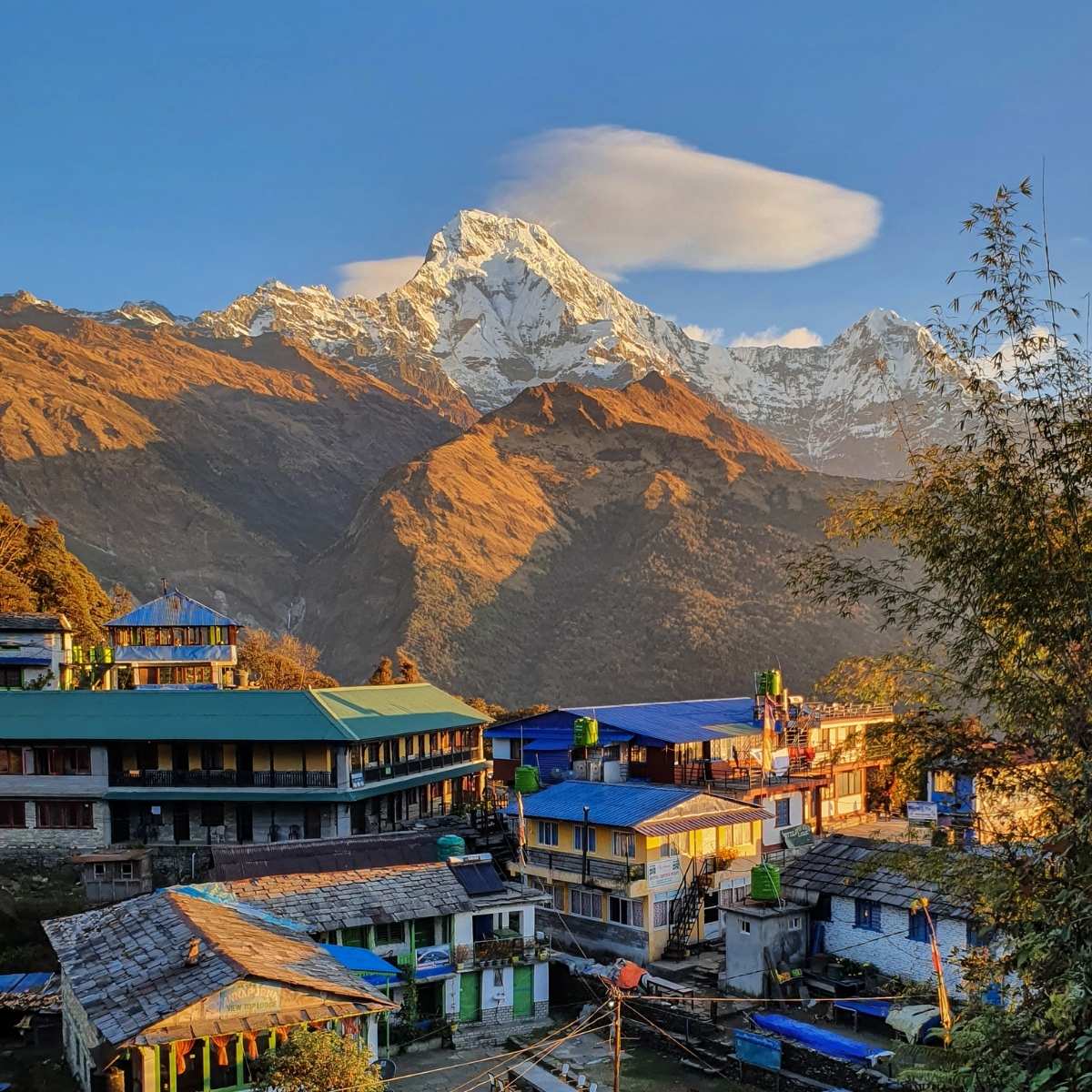

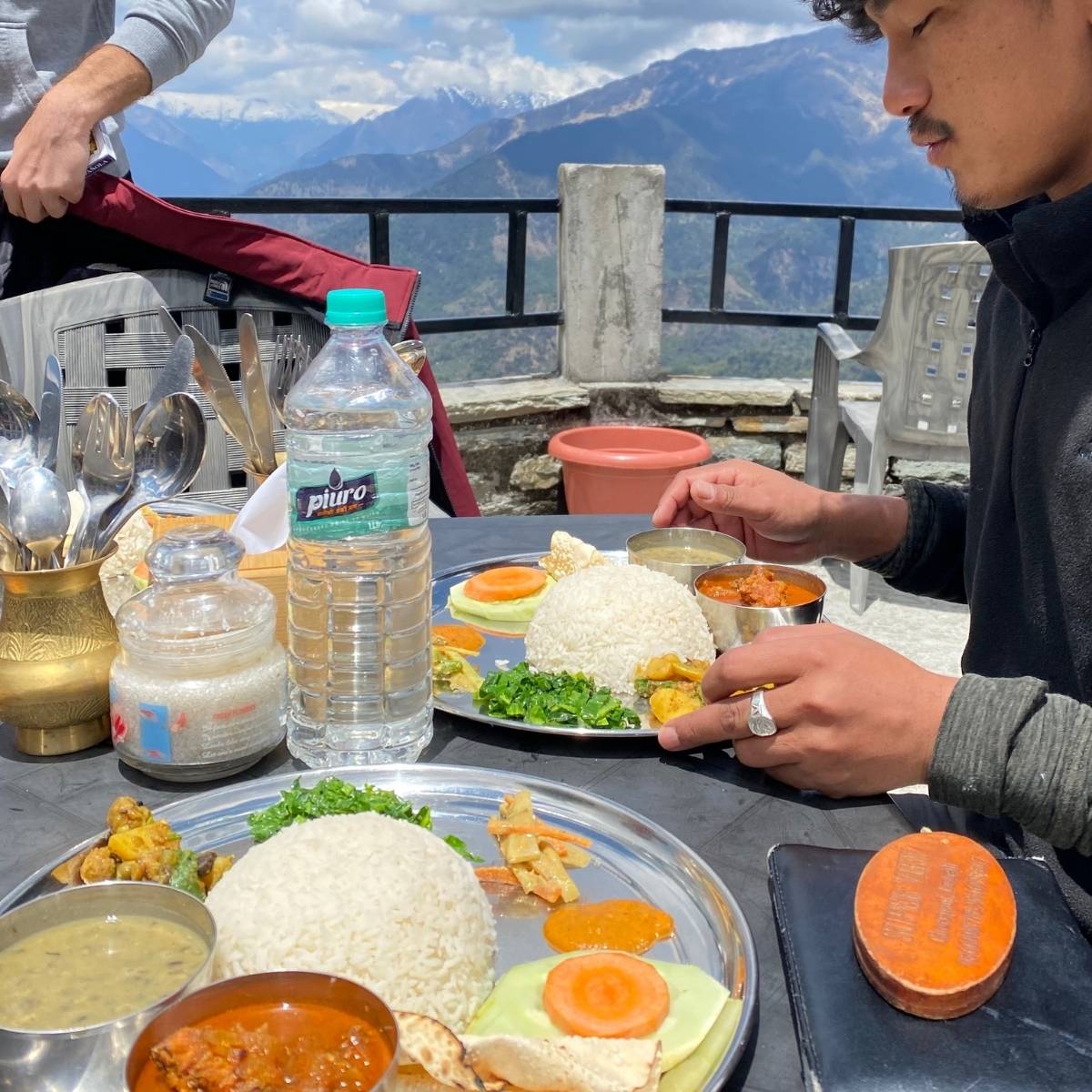
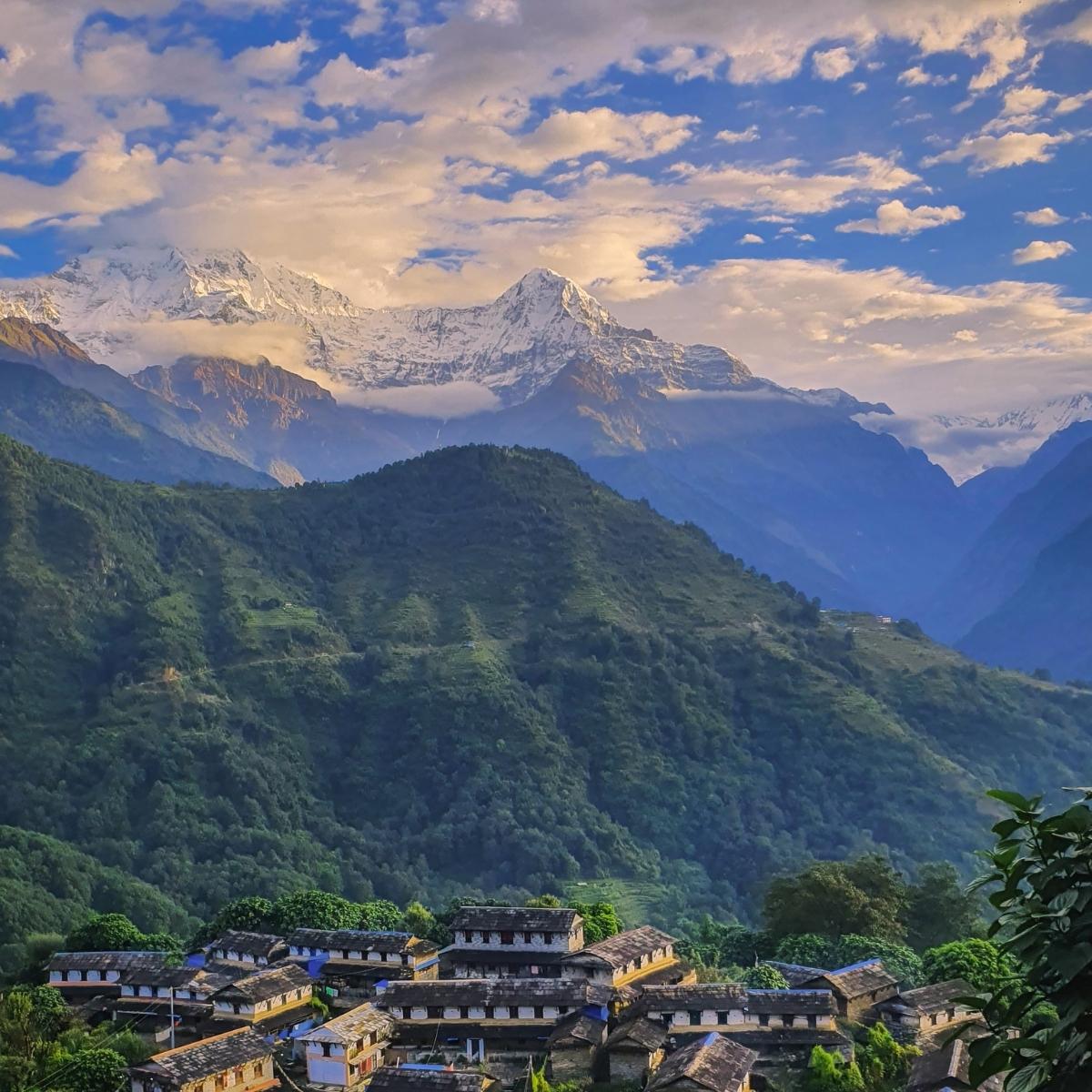
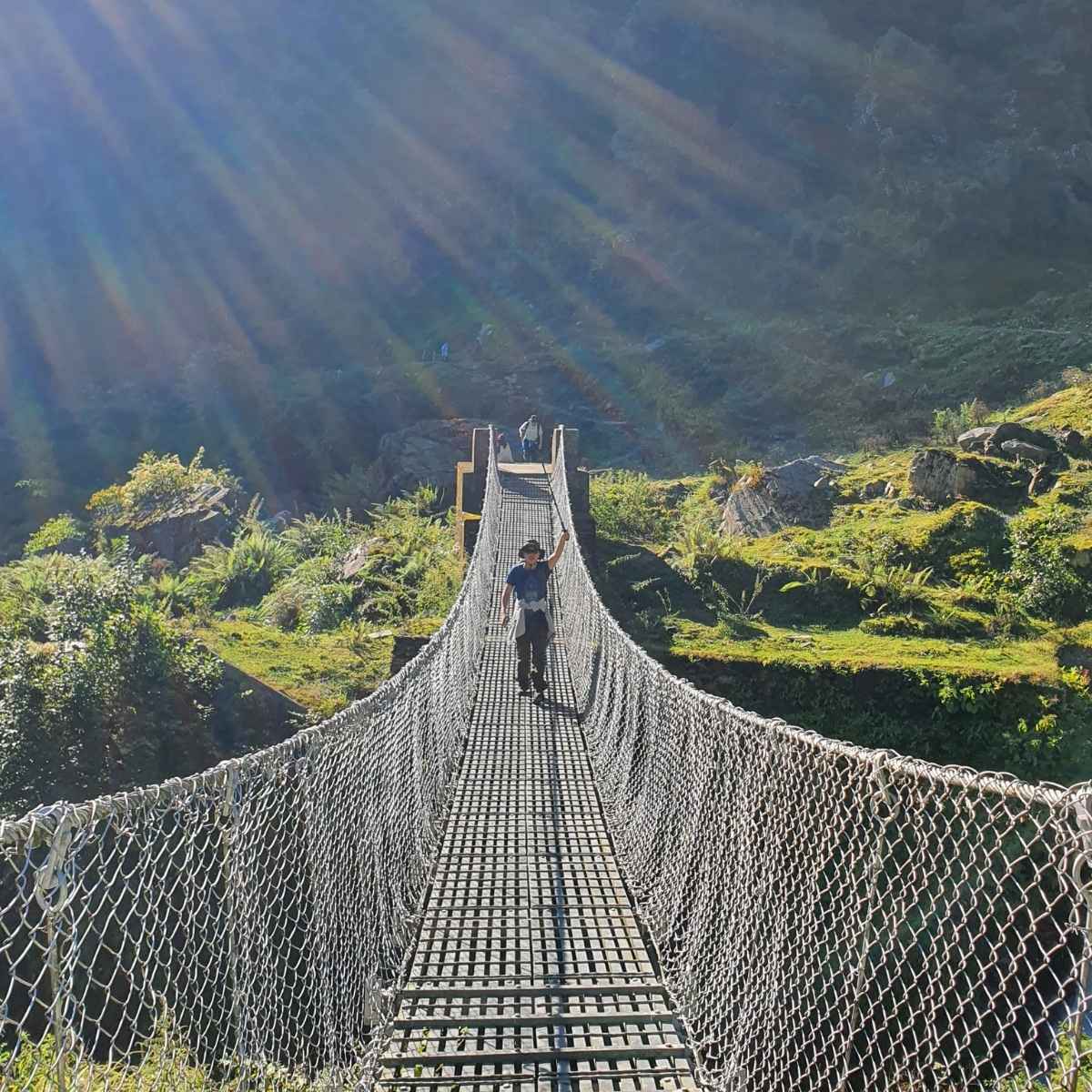


The Annapurna Base Camp & Poon Hill Trek is best enjoyed during Spring (March to May) and Autumn (September to November), when the skies are generally clear, the temperatures are pleasant and the mountain views are at their best. Spring is especially beautiful as the rhododendrons are in bloom, adding colour to the forests. Winter (December to February) can also be a great time, with crisp skies and fewer trekkers, although temperatures are much colder at higher altitudes and snow is possible around Annapurna Base Camp. Summer/Monsoon (June to August)brings more rain, cloudy skies and slippery trails, so it is not the ideal season for this trek.
Travel insurance is compulsory for the trek. All the trekkers must provide a copy of their comprehensive travel insurance policy certificate. The policy must cover medical and emergency repatriation – including helicopter rescue and evacuation expenses at high altitudes (up to 4,000m).
Trekking members are kindly requested to send their detailed insurance information after trek booking. In case of emergencies, we will be using the insurance policy and informational documents you sent us. It will help us arrange a quick and effective rescue operation, transfer for emergency medical help, etc. Please ensure that your insurance covers all costs incurred during mountain rescue service.
Before buying travel insurance, make sure to call the insurance company and recheck if they have heli-rescue up to 4,000m.
This trek gradually takes us from the lower hills to Annapurna Base Camp (4,130m), giving the body time to adapt as we gain altitude. The route is designed with a steady pace and regular overnight stops, allowing us to acclimatize naturally along the way. We always recommend walking slowly, staying hydrated and listening to your body. Your guide will be with you throughout the trek and will keep an eye on how everyone is feeling, especially as we get higher.
We recommend you bring a container for one liter of water. In the teahouses we can buy boiled water suitable for drinking with which to fill our bottles. Another option is to refill water from natural fountains along the trail or directly from the taps in the teahouses, where the water usually comes straight from natural mountain sources. Although some travelers prefer to use water purification tablets or filters as an extra precaution, they are completely optional and can easily be purchased at pharmacies in Nepal before the expedition.
The 50km-long Annapurna massif encompasses a whole swathe of spectacular peaks, including four summits named Annapurna. The mountain is named after the female Hindu god of harvest, fertility and abundance.
The main summit is to the west of Annapurna Sanctuary. Gangapurna (7,454m) towers above Manang and Annapurna II (7,937m) is above Chame, about 24km to the east. Annapurna South (7,219m) is clearly visible from the trekking routes leading up to the Annapurna Sanctuary.
Annapurna (8,091m) was first climbed by a French expedition led by Maurice Herzog in 1950. Equipped with 150 porters, the team became the first Westerners to ascend the Kali Gandaki Valley, initially basing themselves at Tukuche. After deciding Dhaulagiri was too difficult, they turned their attention to climbing Annapurna, the world’s 10th-highest peak. Hampered by inaccurate maps (it took the team weeks just to find the mountain!), they eventually ascended via the Miristi Khola to the north face and made what was the first ascent of any 8,000m peak on 3 June, just days before the start of the monsoon. The summiteers suffered severe frostbite on the descent (as depicted in Herzog’s classic Annapurna) and were finally evacuated back to the roadbed in India.
Annapurna was not climbed again until 1970, when a British army expedition followed essentially the same route as Herzog. At the same time Chris Bonington led a successful British expedition to the very steep and difficult south face. An all-woman team marked the first American ascent in 1978. Annapurna II was first climbed in 1960 by a team under Jimmy Roberts that included a younger Chris Bonington.
Annapurna is considered one of the hardest and most dangerous peaks in Himalaya, with an ascent rate half (and a death rate triple) that of Everest, largely due to the avalanches that regularly rip down the mountain. Famed mountain guide Anatoli Boukreev (one of the climbers involved in the Everest ‘Into Thin Air’ disaster of 1996) was killed by an avalanche while attempting a winter ascent on Christmas Day in 1997, and his memorial is in Annapurna Base Camp.
Between Dovan and Machhapuchhare Base Camp there are several places where avalanches from hidden slopes of Hiunchuli come crashing onto the trail. It is the only major trekking route in Nepal with significant avalanche danger. Our certified local guide will know whether the trail is safe. Most avalanches occur after 9am. We will be specially wary if there has been recent heavy rainfall in the lowlands.
We will be watchful for symptoms of altitude sickness as we reach Machhapuchhare Base Camp. Do not hesitate to tell everything to your guide and remember to stay especially hydrated.
For Nepali culture, tipping is widely accepted and appreciated. However, it remains entirely at the traveler’s discretion and should reflect the quality of service received and the length of the expedition.
After completing this trek, if you may want to stay a couple of days extra in Nepal, we can organize other activities for you, including sightseeing tours in Kathmandu, Pokhara trip, Chitwan jungle safari, paragliding, rafting, canoeing, yoga, etc.
The Annapurna Base Camp & Poon Hill Trek is a moderate trek, suitable for people with a reasonable level of fitness who enjoy walking and being active. Most days involve around 5 to 7 hours of trekking, with regular breaks to rest, enjoy the views and go at a comfortable pace.
The route includes long ascents and descents, stone staircases and uneven mountain trails, so the fitter you are, the more enjoyable the trek will be. Previous trekking experience is helpful but not essential, making this a great option for both first-time and experienced trekkers.
We do not recommend this trek for people with serious heart or lung conditions, or other health issues that could be affected by physical exertion or altitude. The highest point of the trek is Annapurna Base Camp at 4,130m, so good overall health and preparation are important to enjoy the journey safely.
During the Annapurna Base Camp & Poon Hill Trek, you will usually find Wi-Fi in most teahouses, often available for a small fee. This makes it easy to stay connected during most of the trek, although the connection can become slower or less reliable as we gain altitude.
Mobile phone coverage is available in many parts of the route, but signal can be weak or intermittent in more remote sections. If you want to use a local SIM card, we recommend getting one at Kathmandu airport upon arrival, where it is quick and easy to arrange.
For safety and coordination, our trekking guide stays in regular contact with the team, making sure everyone is safe and supported throughout the journey.