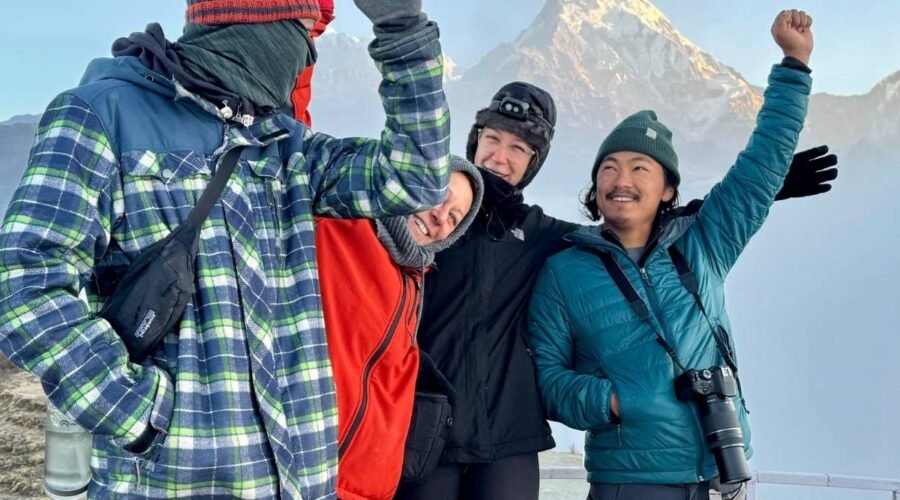
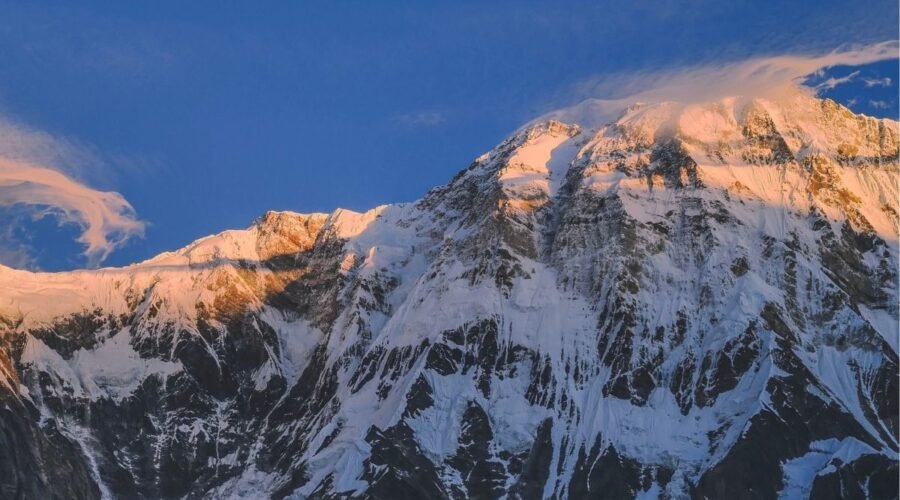
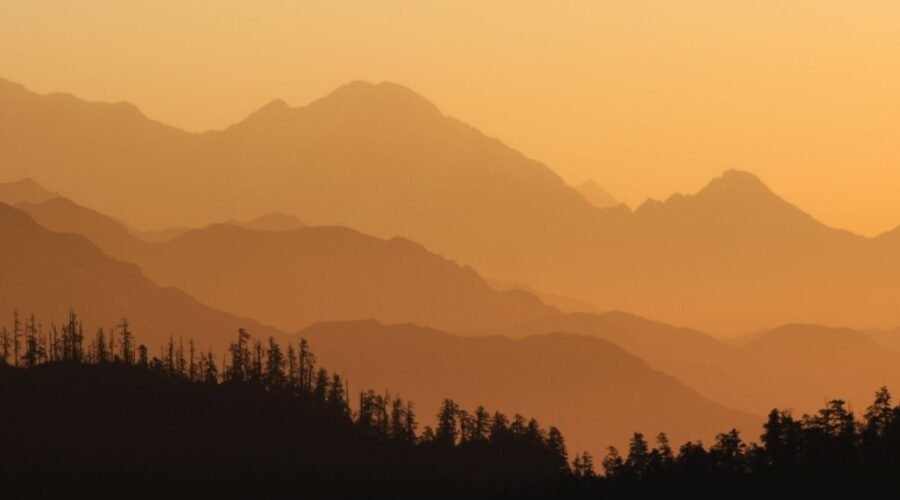
The Helambu Trek in the Helambu region is a short and accessible Himalayan trekking route located close to Kathmandu, ideal for those looking to combine nature, culture, and light trekking without reaching extreme altitudes. The journey typically takes between 5 and 8 days, with daily walks of around 4 to 6 hours on well-established trails, making it a suitable option for beginners or trekkers with a moderate level of fitness.
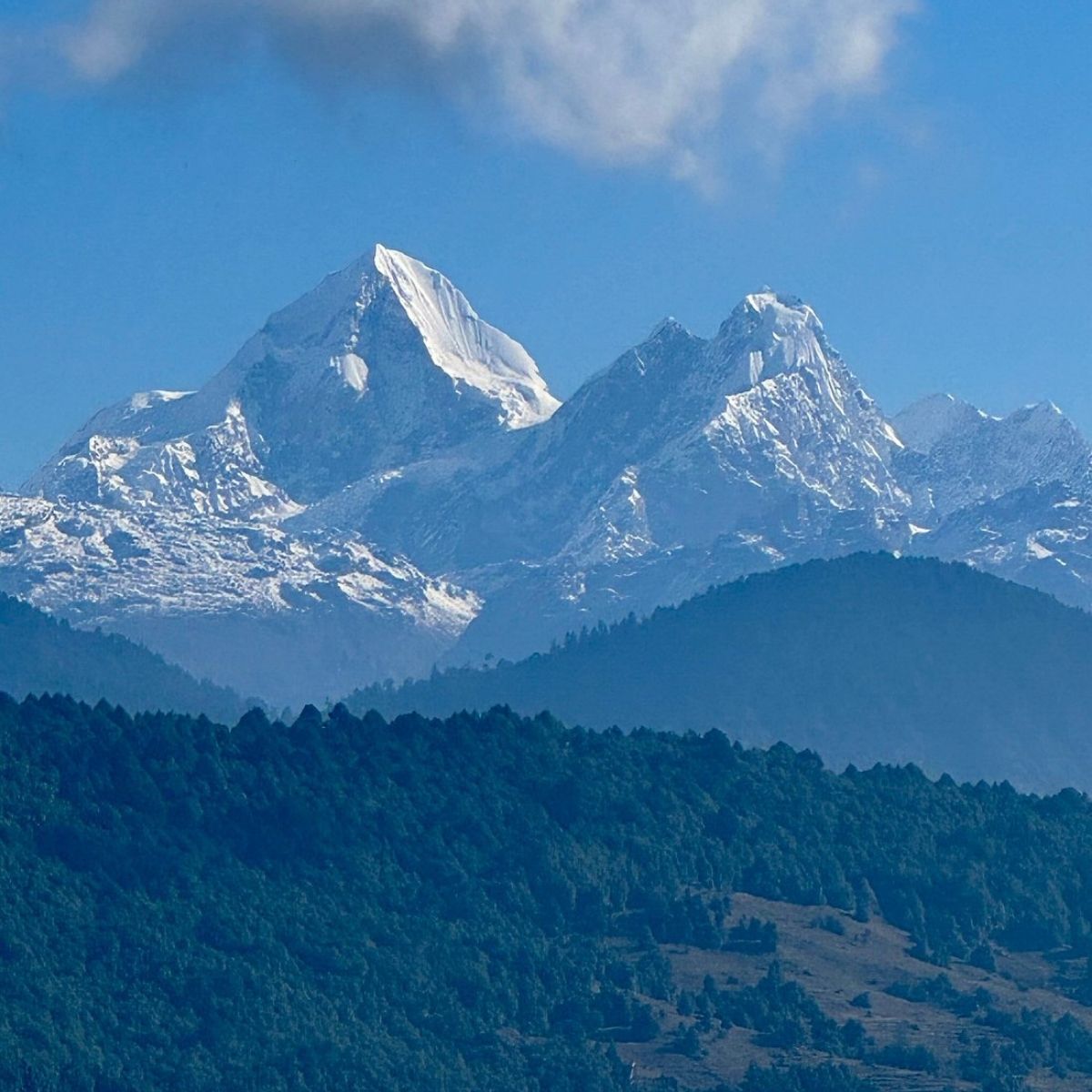
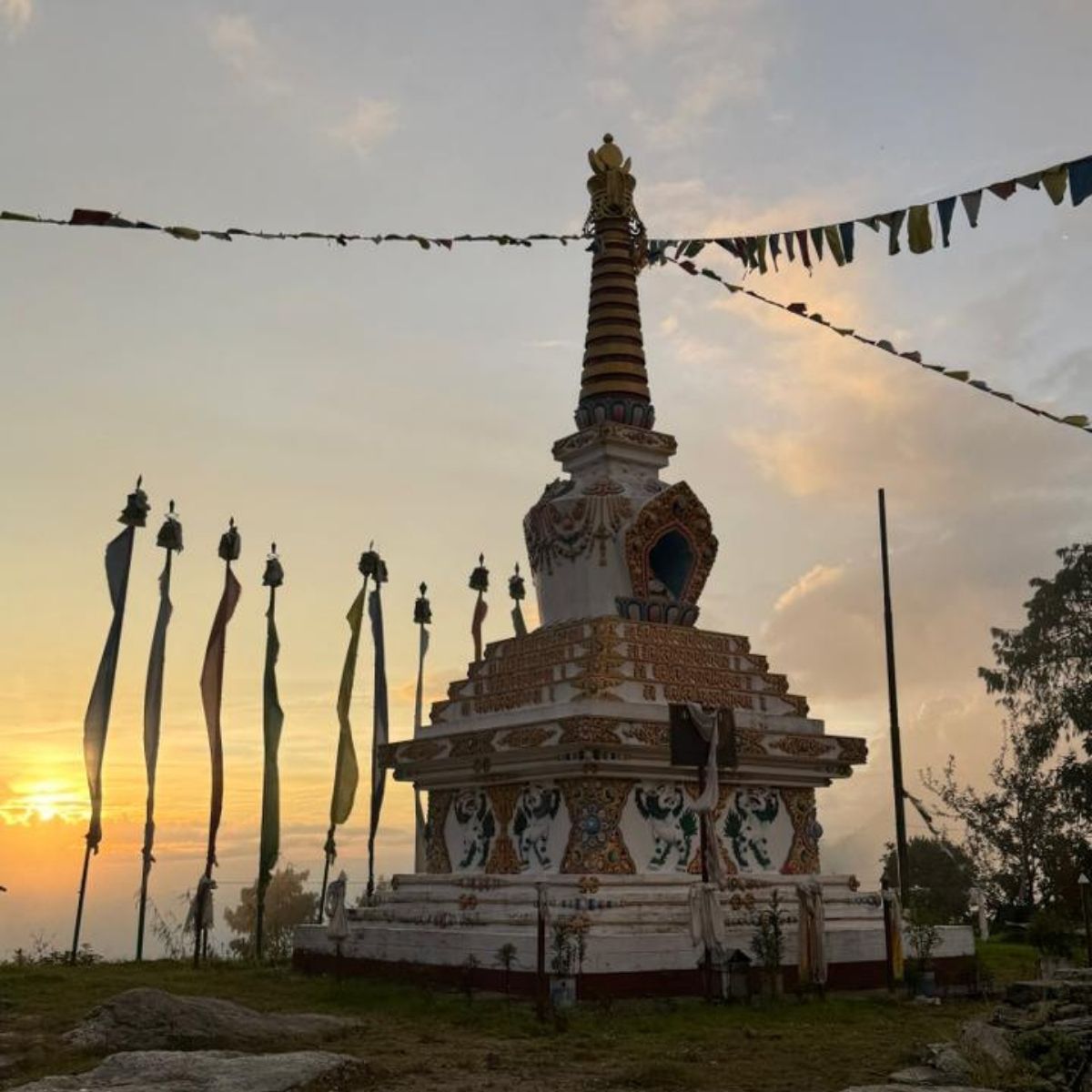
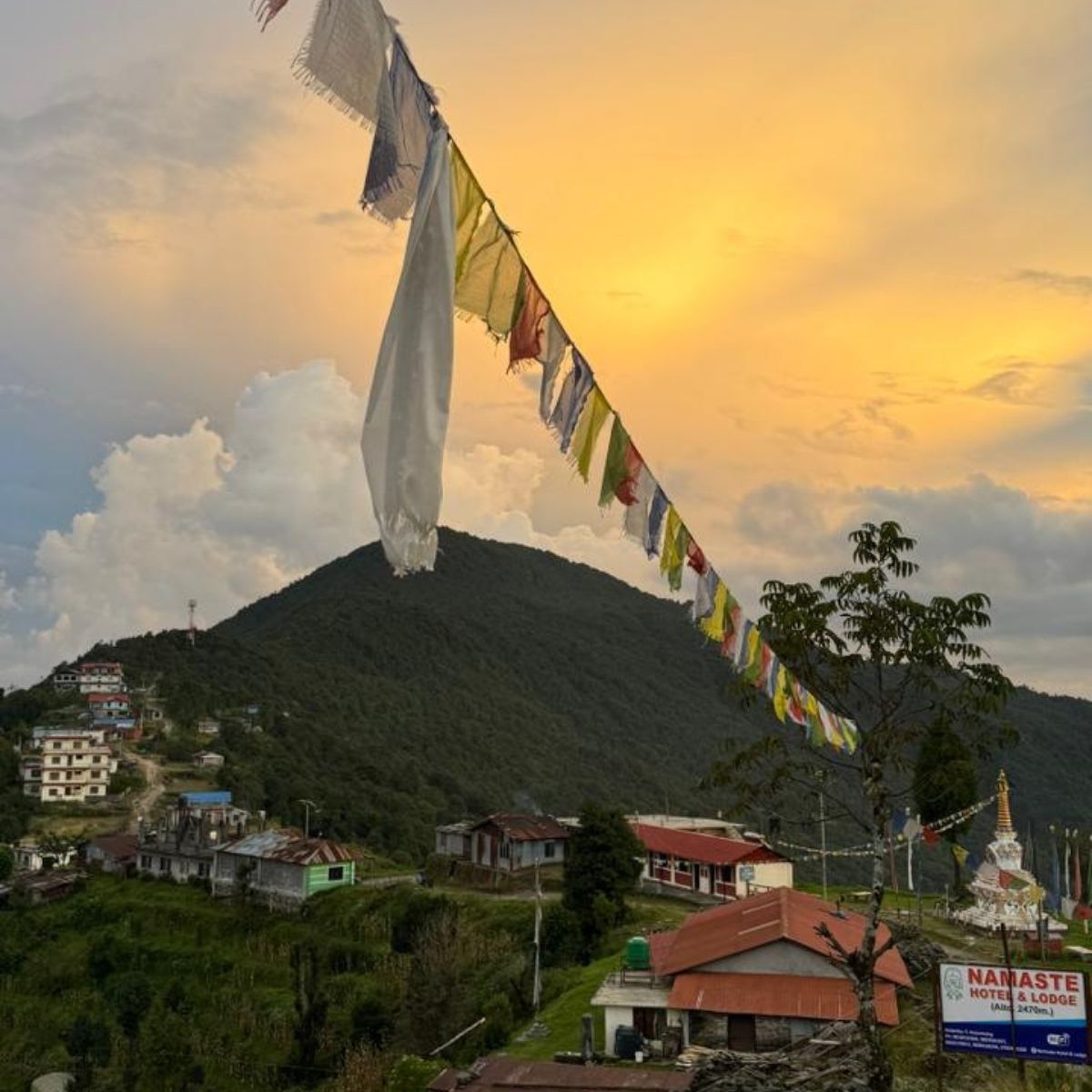
The route offers a rich cultural experience as it passes through traditional Hyolmo and Sherpa villages, where Buddhist monasteries, prayer flags, and local lifestyle remain deeply preserved. In addition to its cultural value, the trek is known for its peaceful environment, lush forests, and occasional views of the Langtang Himalayan range, providing a varied and scenic walking experience.
Overall, the Helambu Trek is a medium trekking option, non-technical and relatively low altitude compared to other Himalayan routes, making it an excellent choice for those seeking an authentic but comfortable introduction to trekking in Nepal.
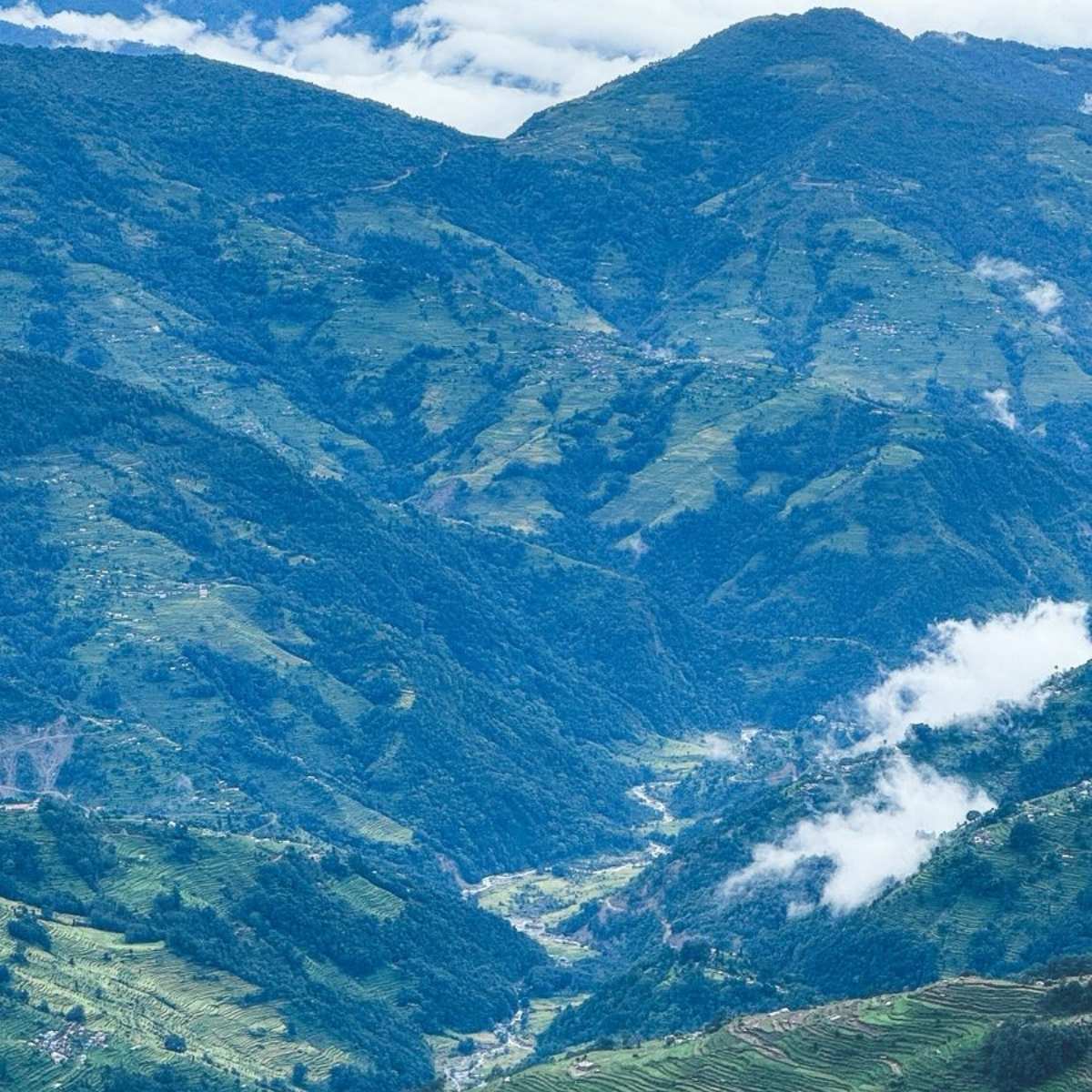
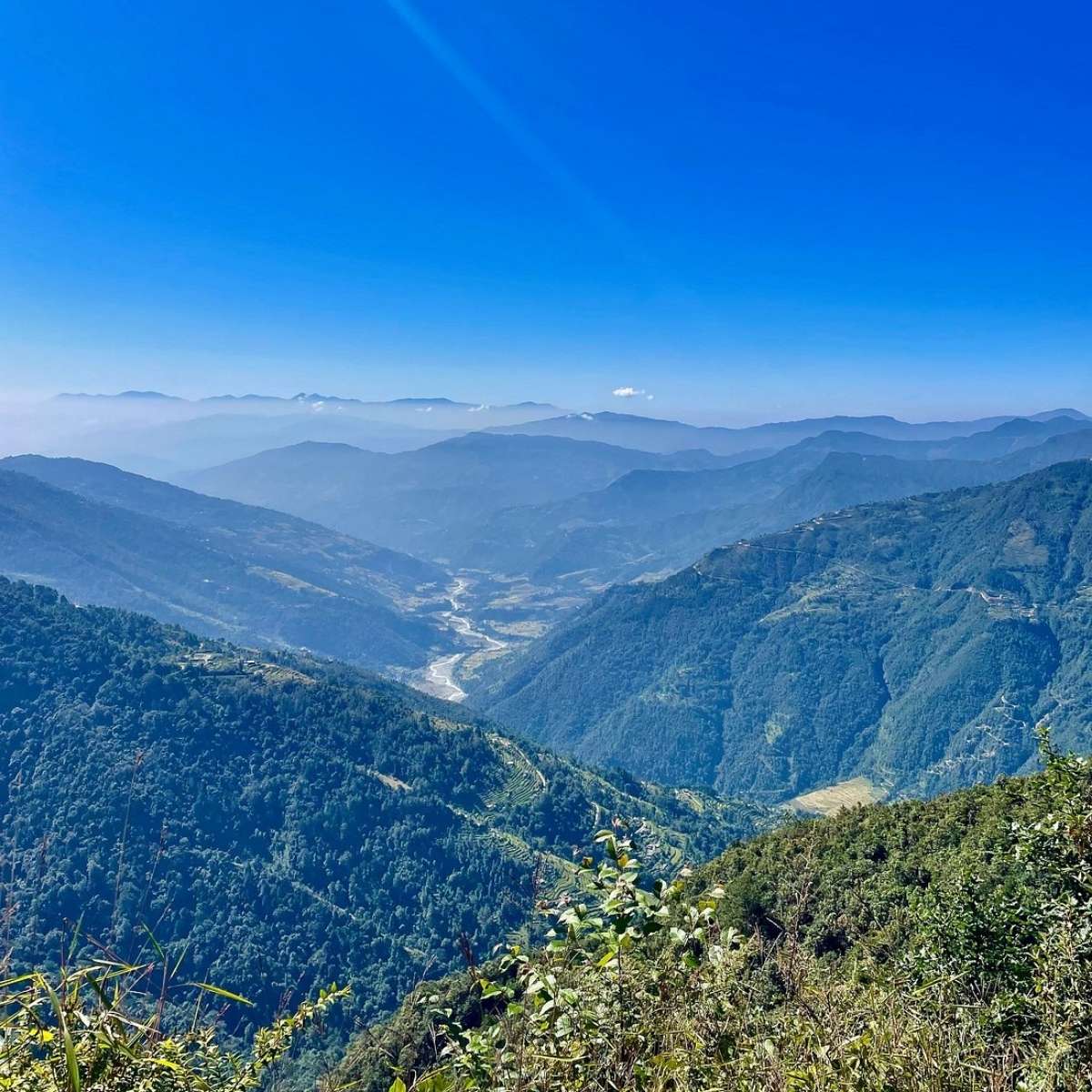
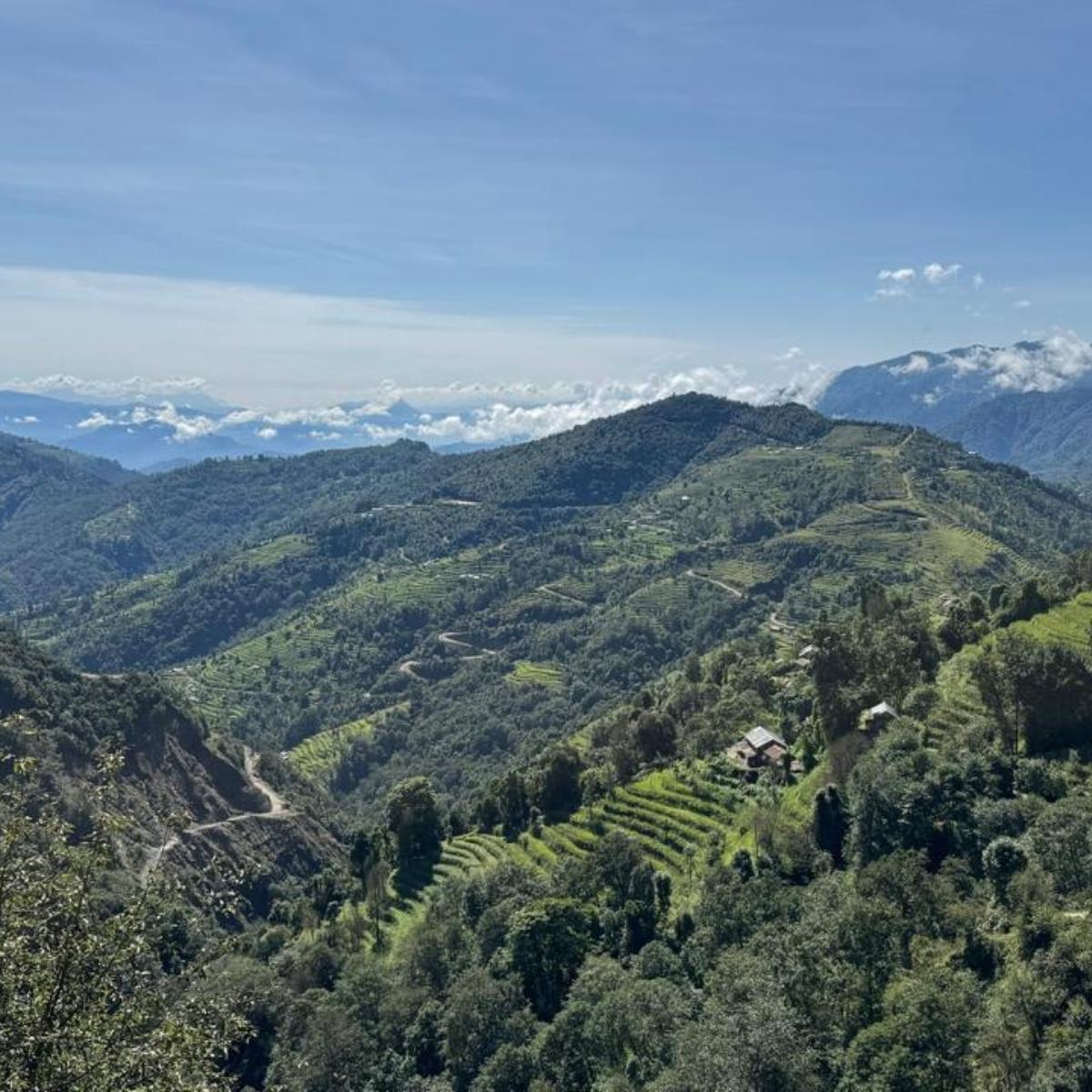
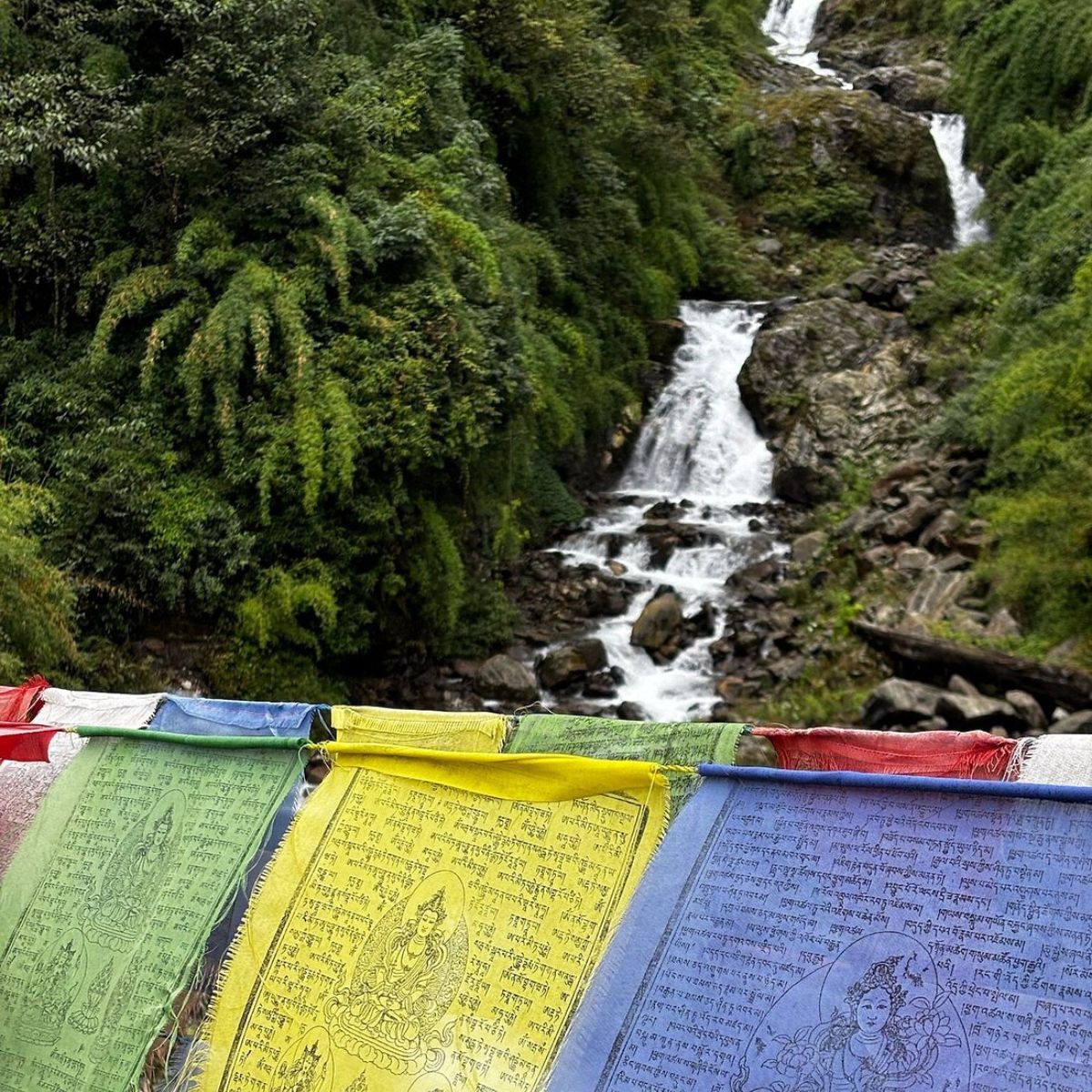
During the Helambu region trek, you can expect a peaceful and authentic Himalayan experience, far from the busier trekking routes of Nepal. The trail passes through terraced fields, dense forests, waterfalls, suspension bridges, and traditional mountain villages, offering constantly changing landscapes throughout the journey.
Accommodation is in local teahouses, where you will experience the simplicity and hospitality of mountain life in Nepal. Facilities are comfortable but basic, especially in more remote areas, and meals mainly consist of traditional Nepali dishes as well as common international food options.
The trek involves regular ascents and descents, with some long uphill sections, but no technical climbing or mountaineering experience is required. Weather conditions can change quickly in the mountains, with warm sunny days and colder mornings and evenings at higher elevations.
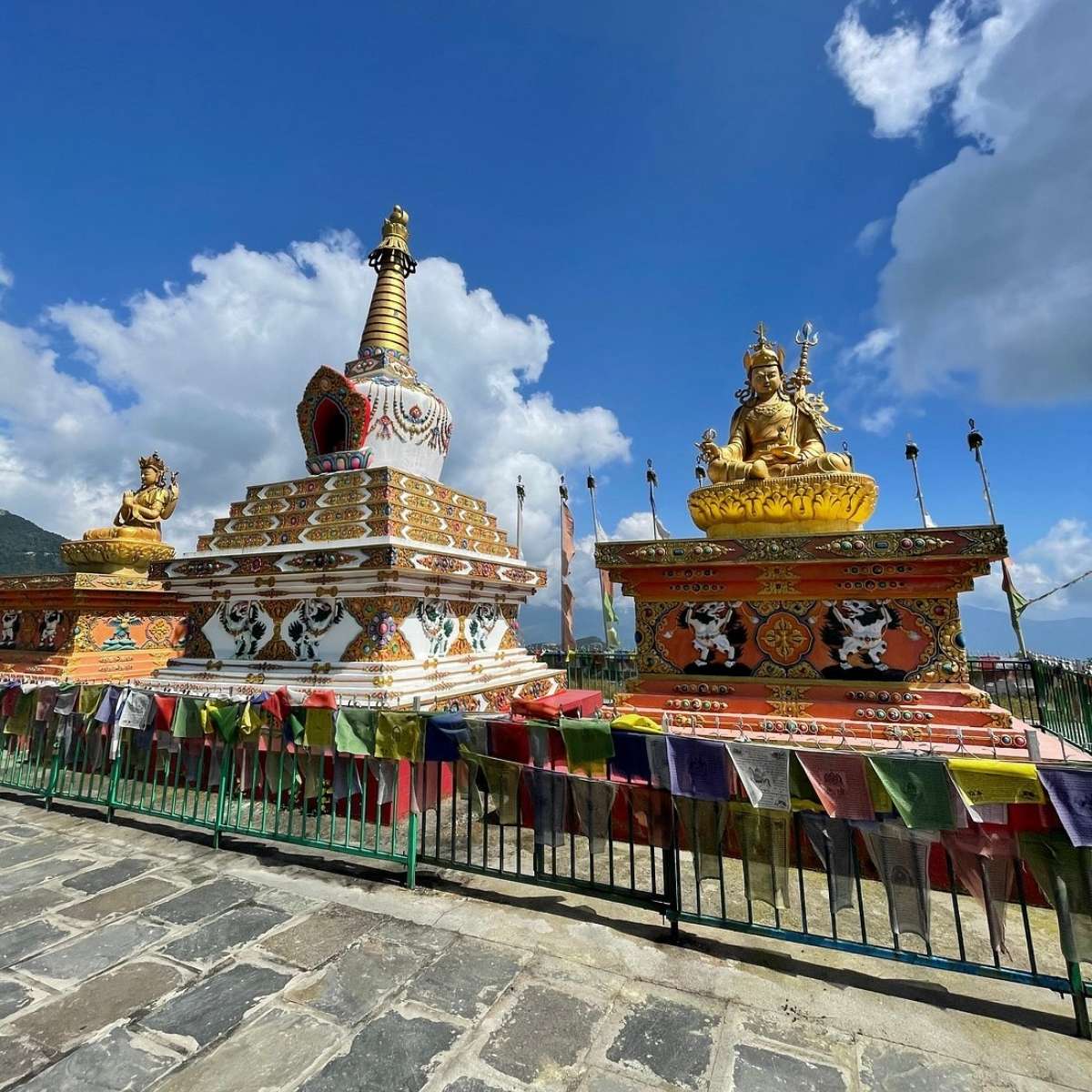
One of the most special aspects of the Helambu Trek is the cultural immersion. Along the route, you will encounter Buddhist monasteries, prayer wheels, mani walls, and local communities whose traditions and lifestyle remain deeply connected to Himalayan culture.
The day before our trekking expedition begins, we’ll gather for a memorable welcome dinner. It’s a perfect occasion for us to connect and become acquainted with one another before we set off on our exciting adventure. This dinner also provides a valuable opportunity for us to approach our guide with any final questions or concerns we may have.
Drive: 1 hours
Trek: 4 hours, 13 km
We begin our adventure by leaving Kathmandu by vehicle and driving to Sundarijal, located just on the outskirts of the valley. From there, we start our trek, ascending through lush tropical forest within the Shivapuri Nagarjun National Park. Along the way, we pass traditional Tamang villages and terraced fields.
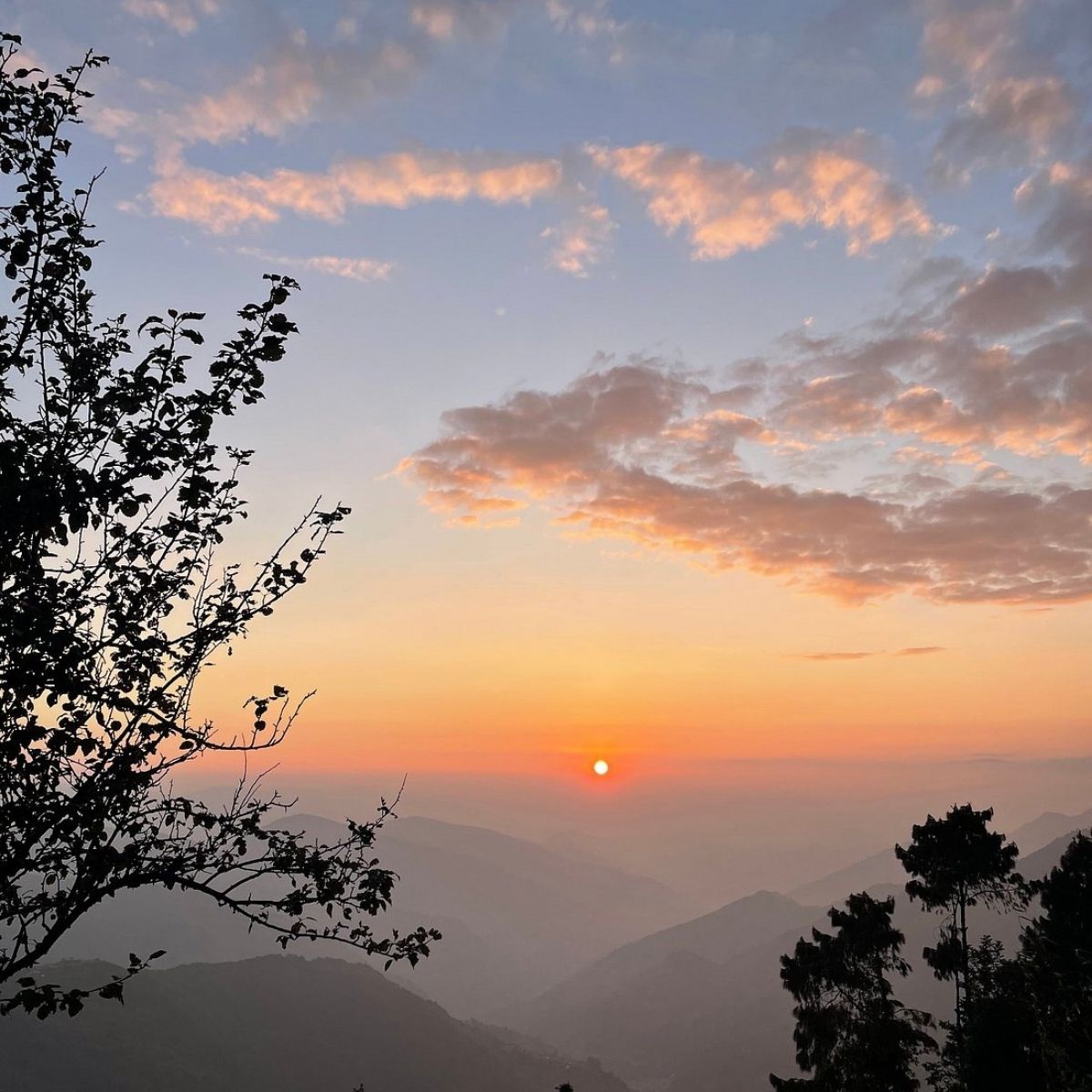
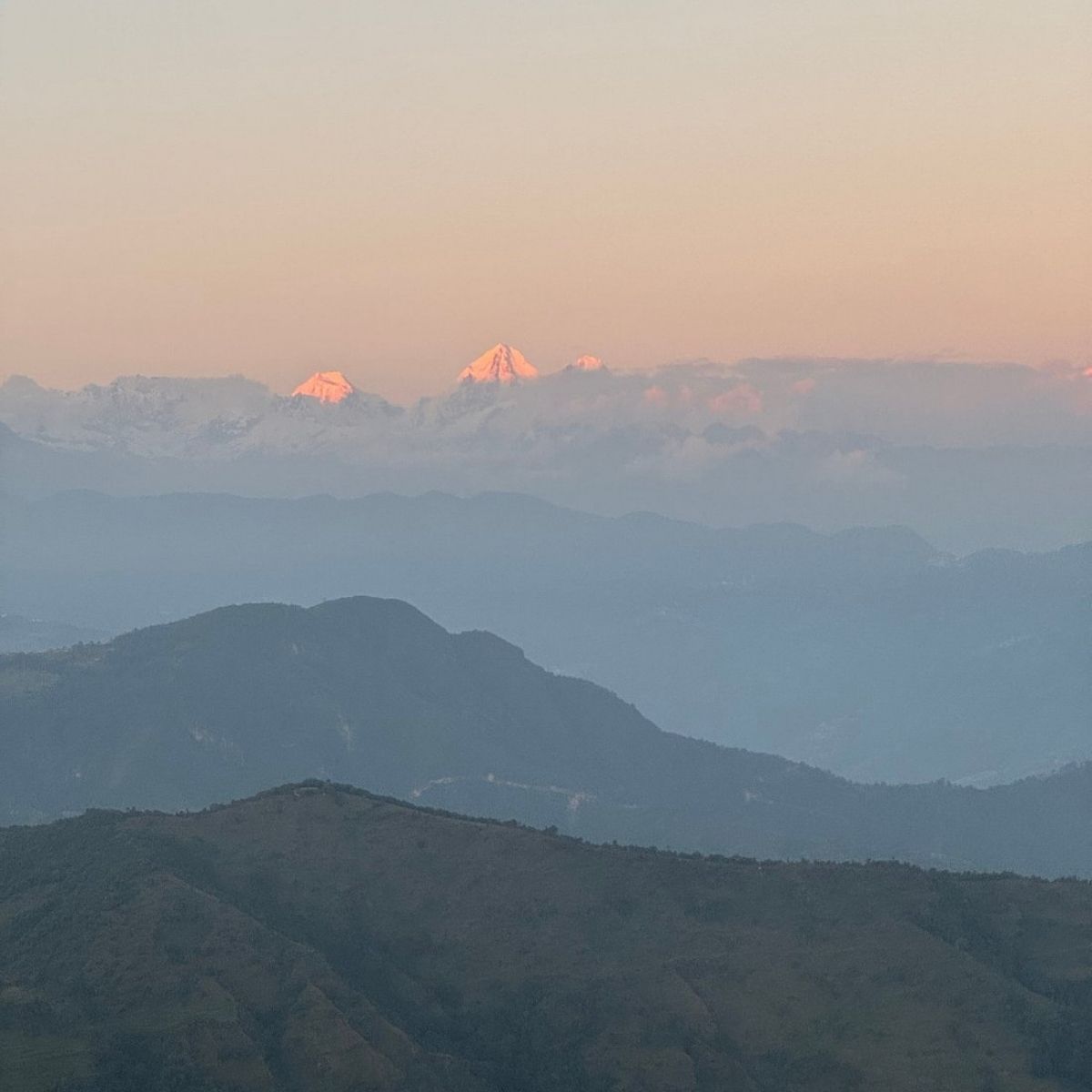
We arrive in Chisapani, where we stay overnight in a teahouse with stunning panoramic views of the Himalayas.
Trek: 7 hours, 12 km
Today we continue along scenic trails surrounded by oak and rhododendron forests, with breathtaking views of the Langtang and Ganesh Himal ranges appearing between the trees. Along the way, we pass through traditional villages such as Gul Bhanjyang, where we will stop to rest and enjoy lunch to recharge.
The route includes some ascents and descents, but it remains a pleasant and enjoyable day of trekking. By the end of the day, we arrive in Kutumsang, a peaceful village where we will stay overnight in a charming teahouse, surrounded by nature and a calm mountain atmosphere.
Trek: 6 hours, 5 km
Today is a more demanding but also one of the most spectacular days of the trek. We leave Kutumsang early and gradually ascend along trails that pass through dense and magical forests. As we gain altitude, the landscape opens up, offering incredible mountain views along the way.
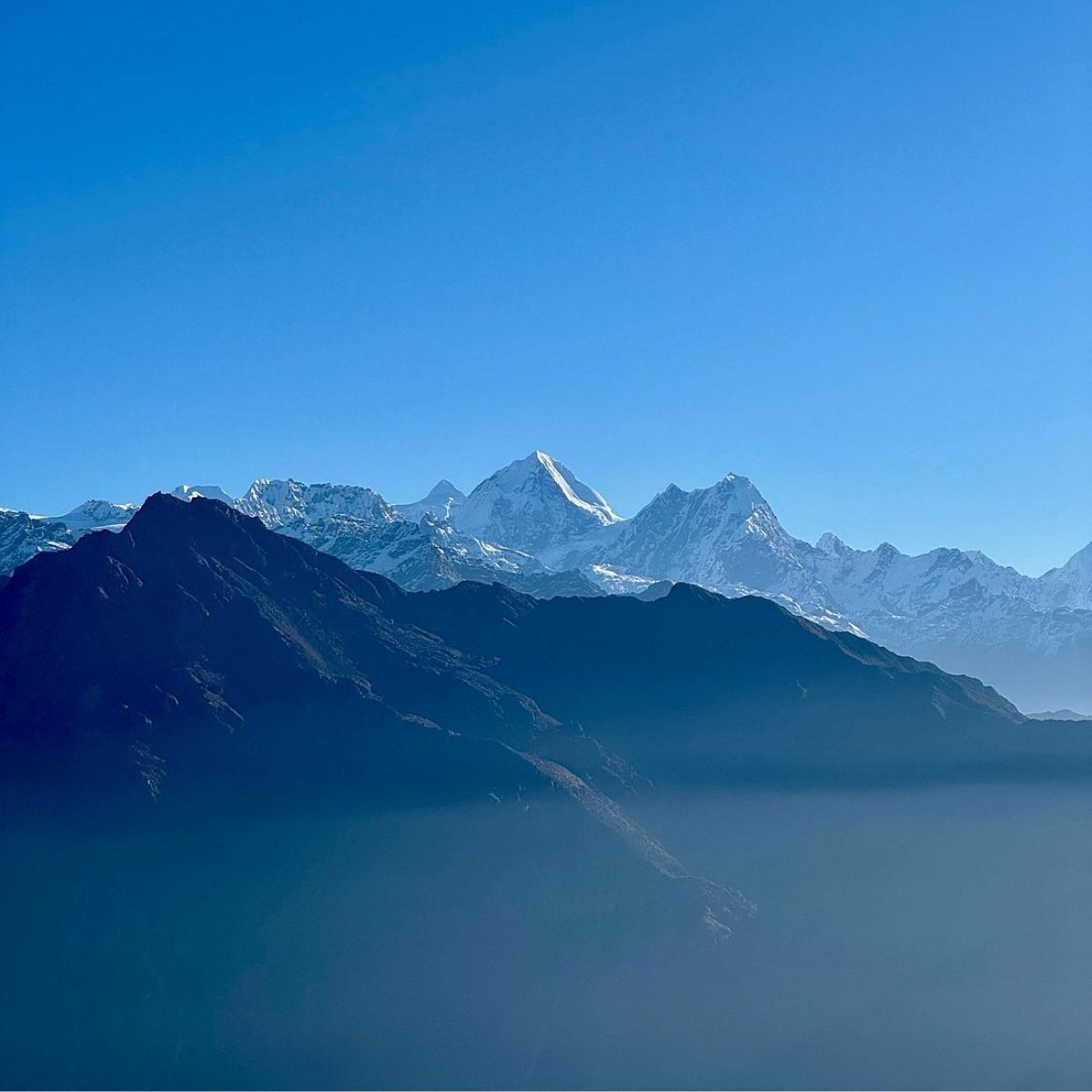
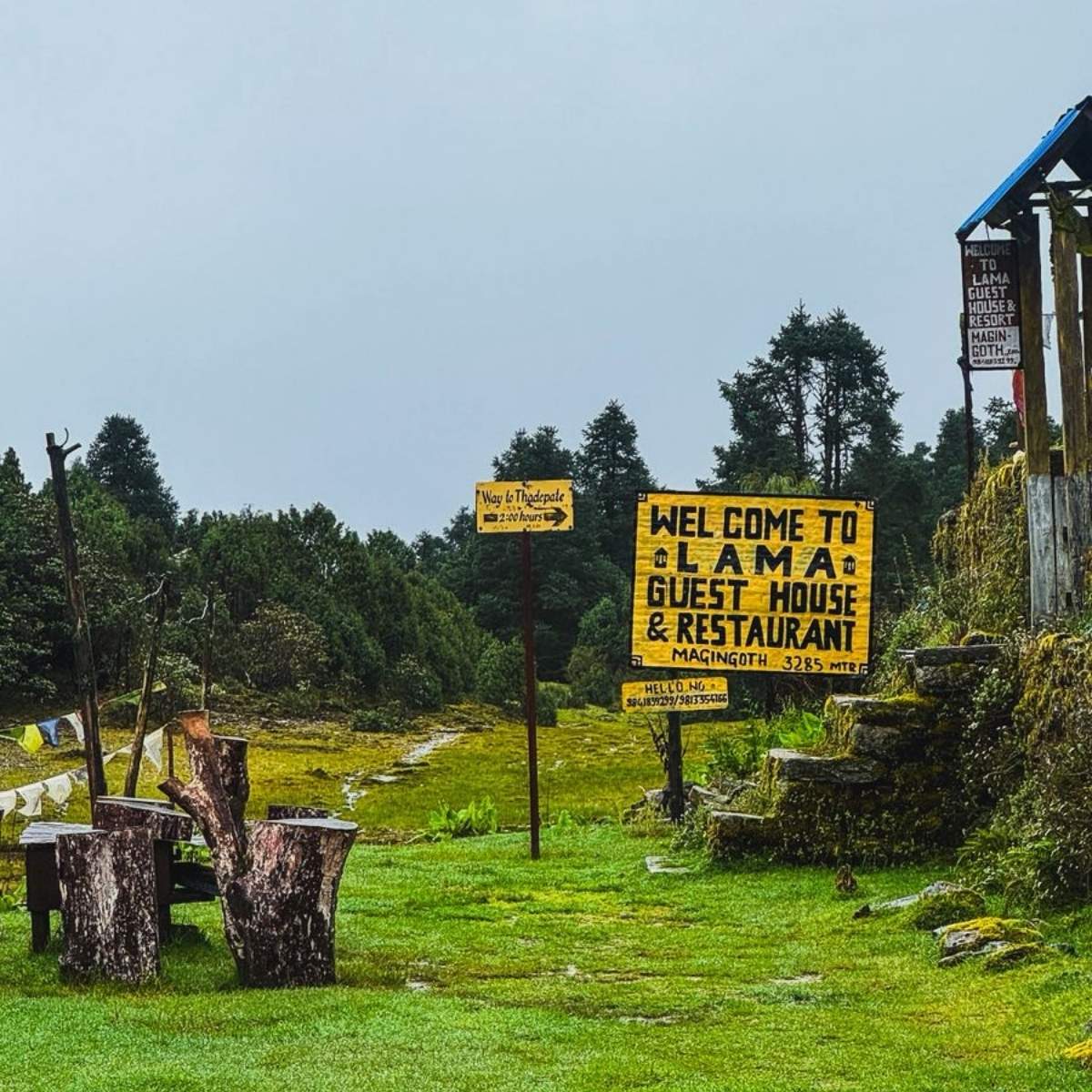
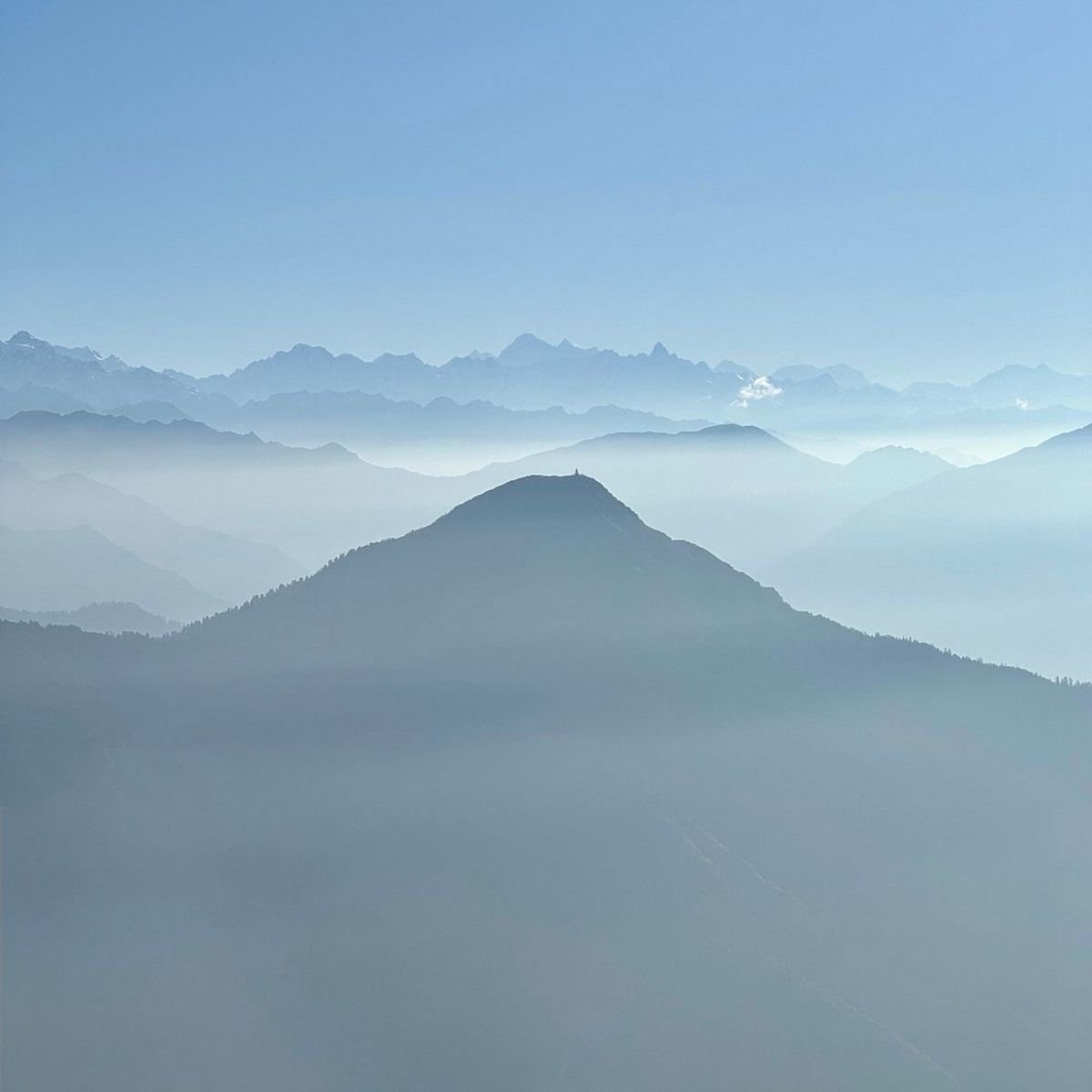
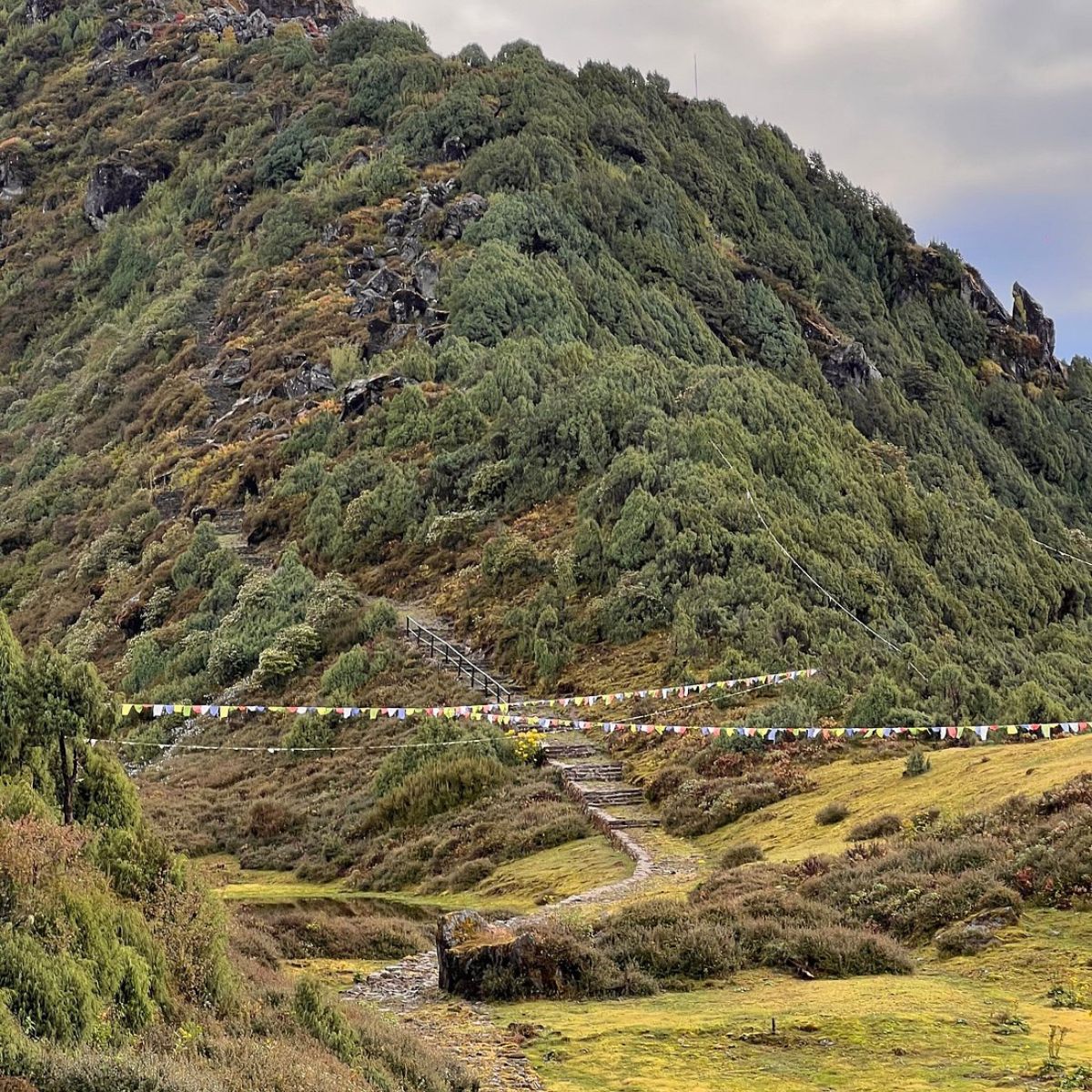
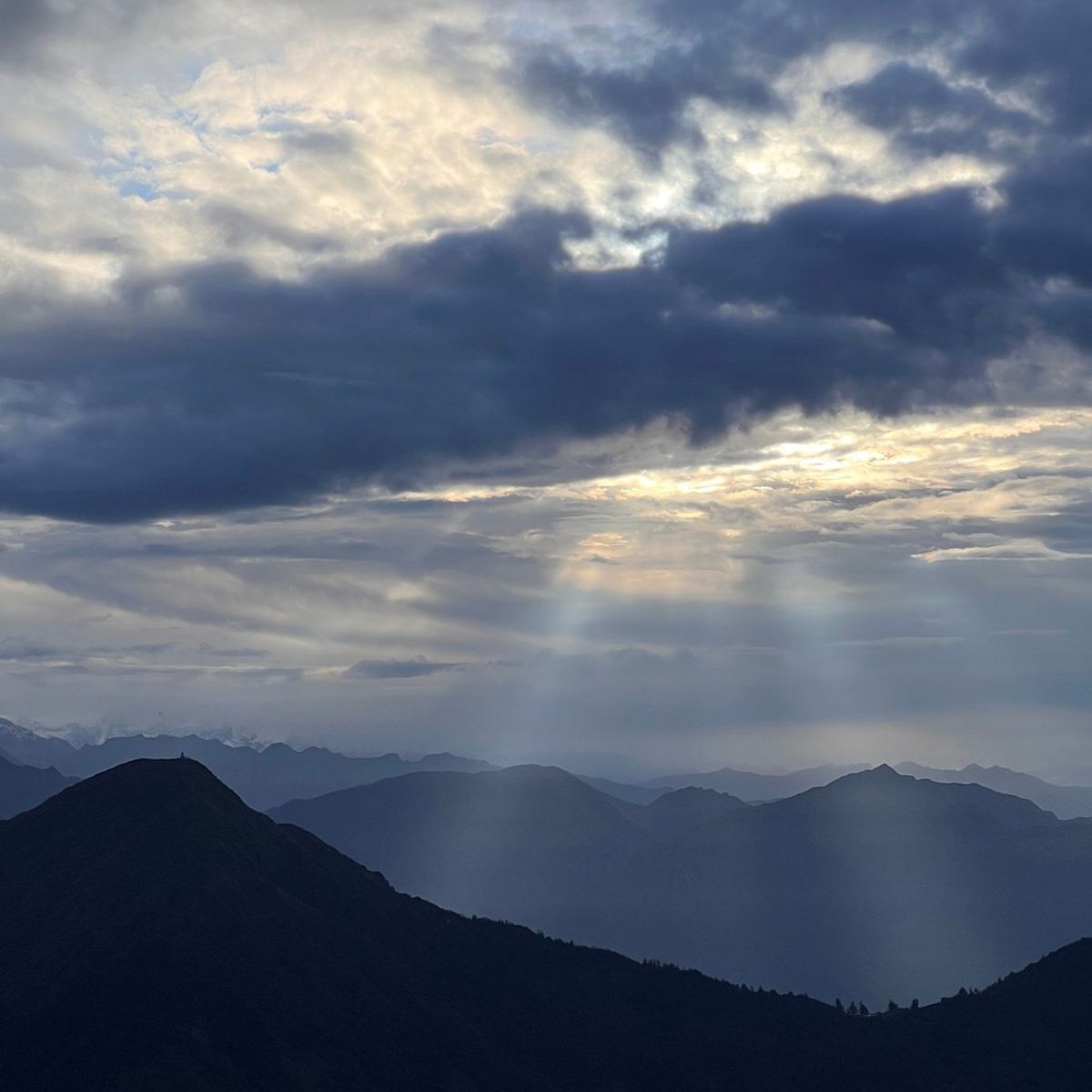
The final section before reaching Thadepati is a steep climb, but the effort is completely rewarded once we arrive at the top. Thadepati sits on a high ridge with 360° panoramic views, and if the weather is clear, we can see peaks such as Langtang, Dorje Lakpa, and many more. Tonight we stay at the highest point of the trek, surrounded by breathtaking scenery and a true sense of achievement.
Trek: 6 hours, 14 km
After a good breakfast with mountain views, we begin our descent from Thadepati along a beautiful trail that passes through dense rhododendron forests, moss-covered paths, and tall alpine trees. The change in landscape is striking as we leave the high altitude behind and enter a greener, more welcoming environment.
Along the way, we cross small streams and pass by scattered settlements before arriving in Tarke Ghyang, one of the most charming Sherpa villages in the region. The village is known for its traditional stone houses and an ancient monastery, making it a perfect place to explore in the afternoon and experience local culture.
We spend the night in a cozy teahouse, surrounded by peace, tradition, and a warm mountain atmosphere.
Trek: 4 hours, 10 km
Today’s trek is more relaxed, perfect for enjoying the scenery without much physical effort. We walk through peaceful forests, terraced rice fields, and small villages, where local children often greet us along the way. The route offers beautiful open views of the valley, and on clear days, distant mountains can be seen on the horizon.
We arrive in Sermathang, a charming village known for its serene atmosphere and a beautiful Buddhist monastery. It is a perfect place to slow down, explore, and absorb the calm rhythm of mountain life. We spend the night in a welcoming family-run teahouse, surrounded by peace and nature.
Trek: 5 hours 30 minutes, 20 km
Today we begin our final descent. The trail winds through terraced rice fields and lively Tamang villages, full of everyday local life. As we gradually lose altitude, the air becomes warmer and more humid, and the vegetation changes noticeably, becoming greener and more subtropical.
After several hours of relaxed trekking, we arrive at Melamchi Bazaar, a small and vibrant town in the valley, where we officially conclude our trek.
Drive: 4 hours
After a good breakfast in Melamchi Bazaar, we board our vehicle for the journey back to Kathmandu. The drive passes through scenic hills, rivers, and rural landscapes, offering beautiful final views of the countryside. Gradually, we leave the peaceful mountain environment behind and re-enter the vibrant energy of the city.
Upon arrival in Kathmandu, we say goodbye with unforgettable memories from the trek. It is also the moment to thank your guide and porters, who have supported and accompanied you throughout the journey with dedication and care.

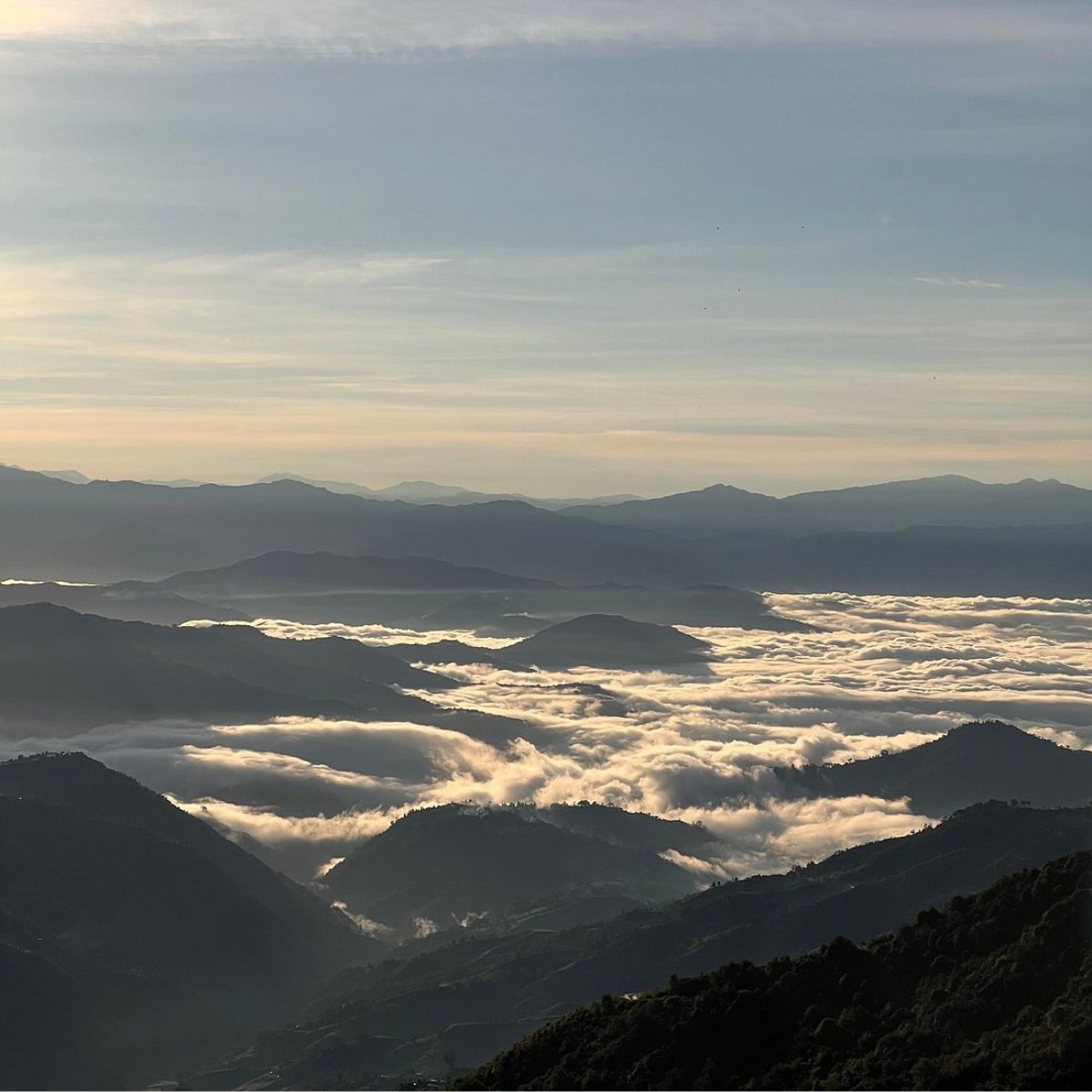
For the Helambu region trek, the best seasons are autumn (September to November) and spring (March to May).
Autumn (September–November) is the ideal trekking season, offering clear skies, stable weather, and excellent views of the surrounding Himalayas after the monsoon. Temperatures are pleasant, and trail conditions are generally very good.
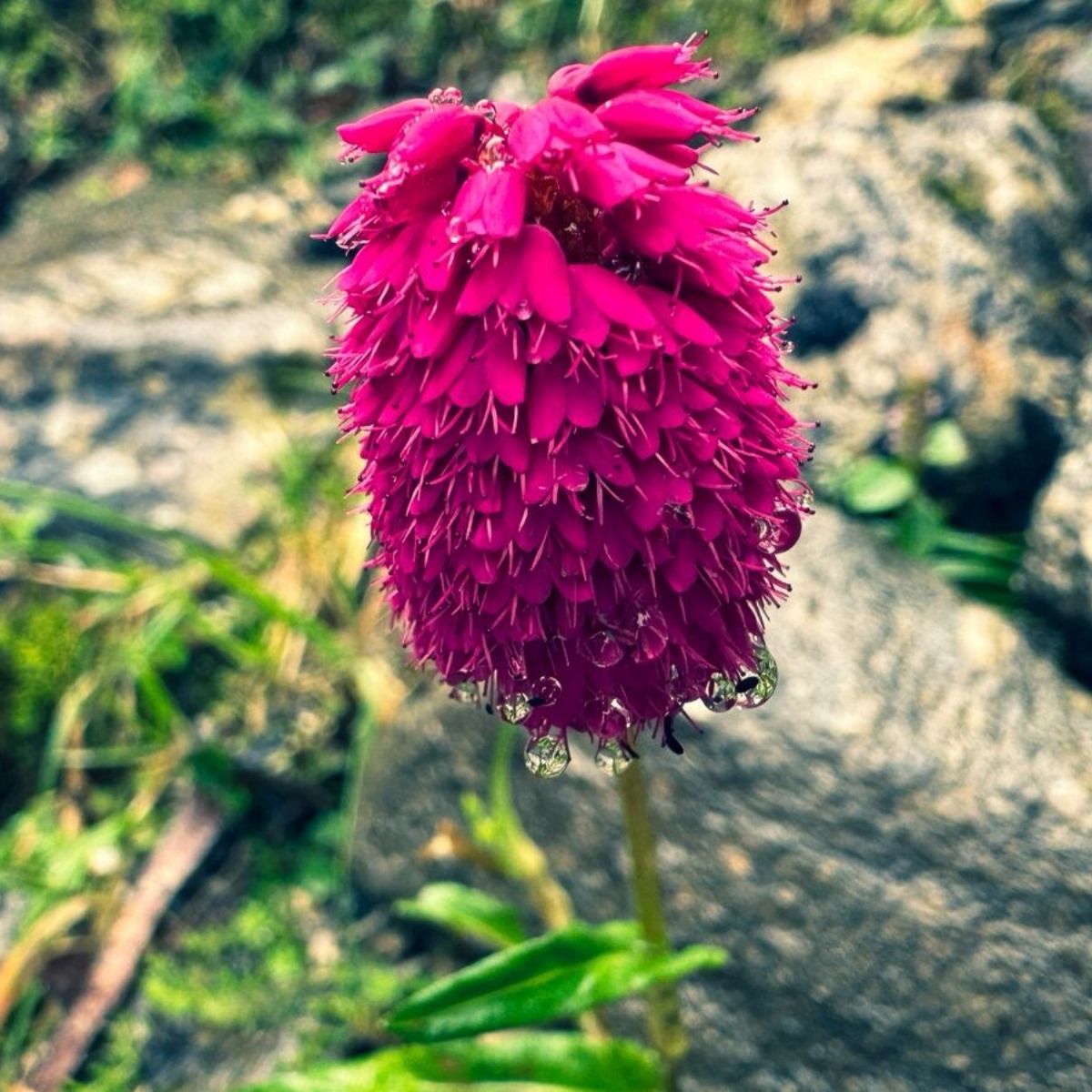
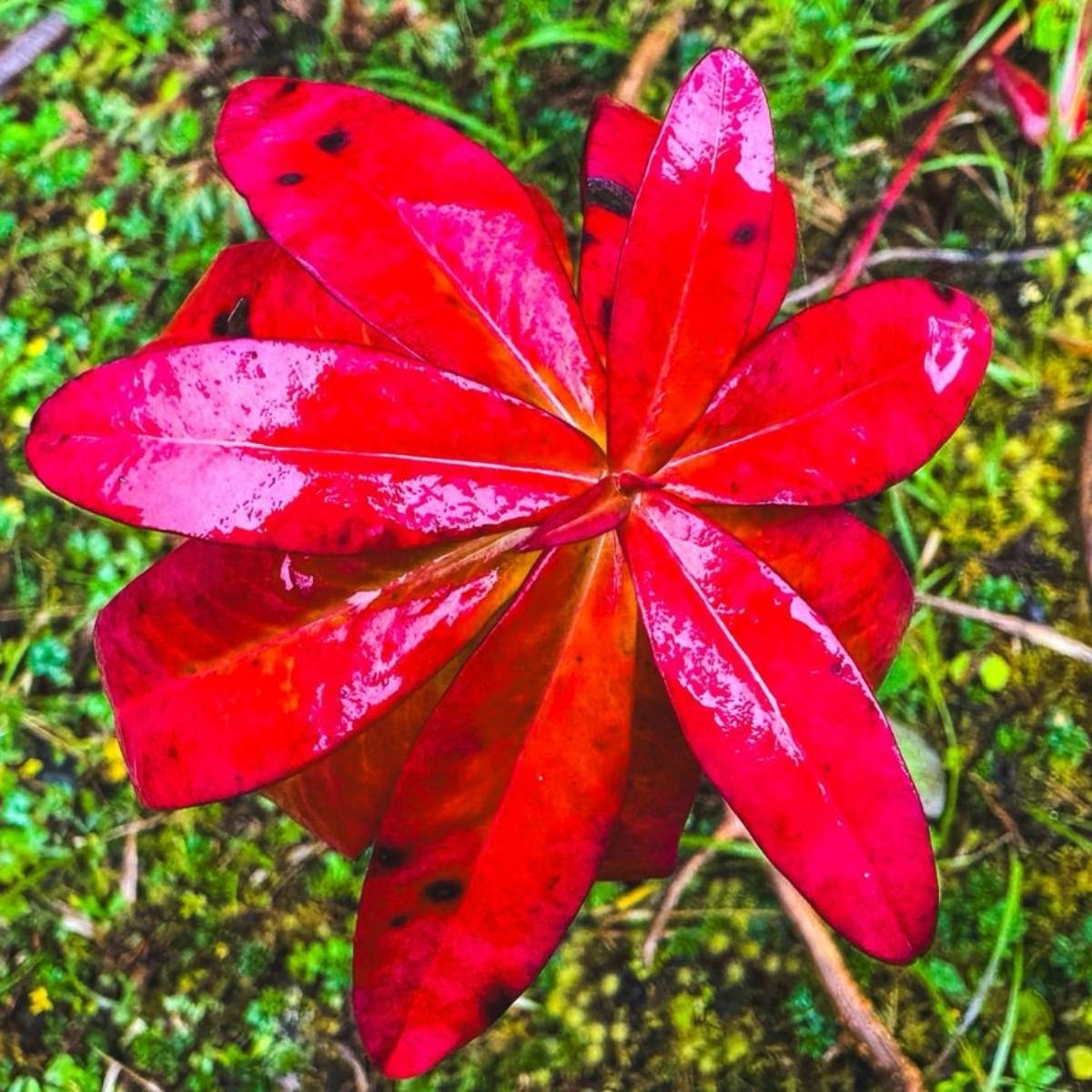
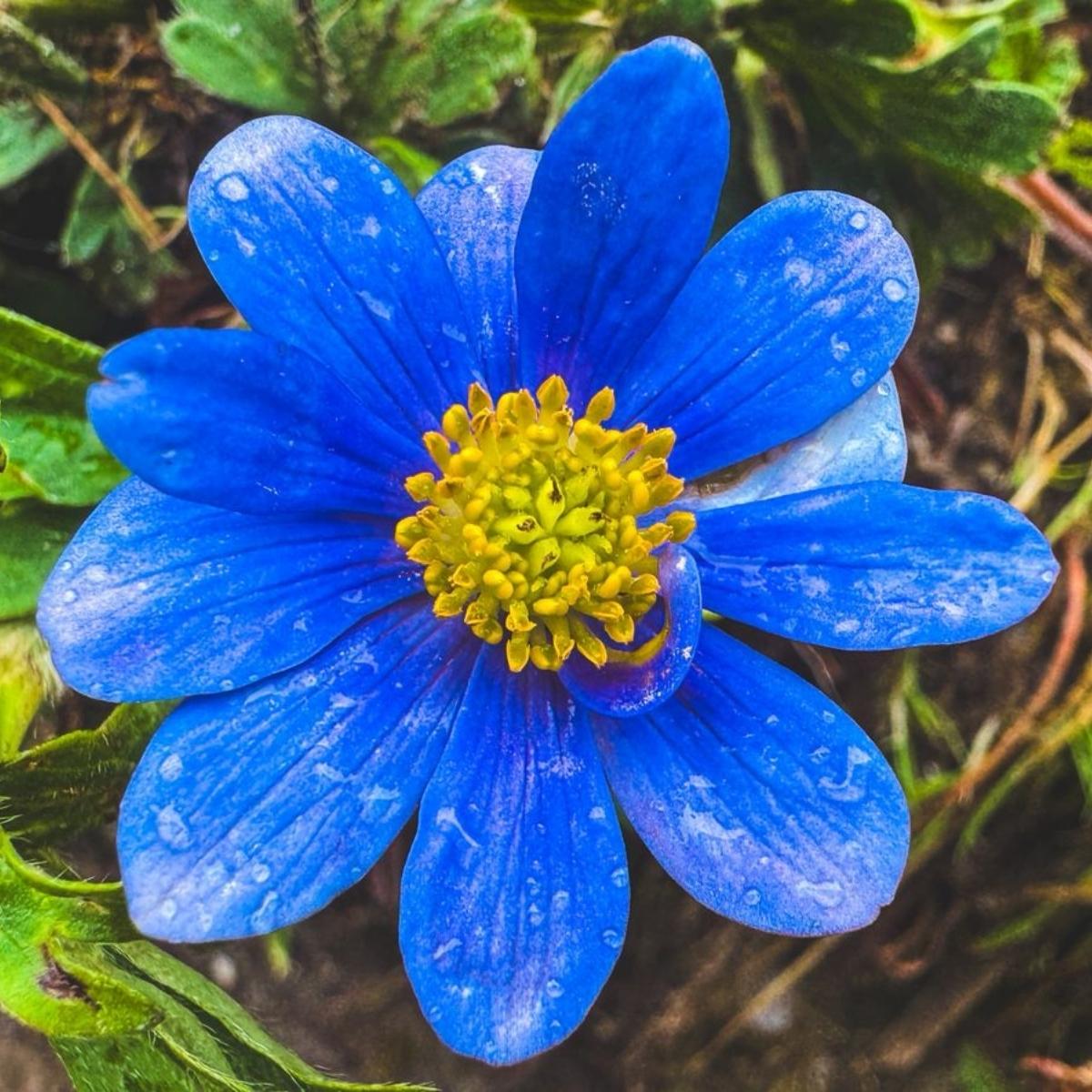
Spring (March–May) is also a great time to trek, with mild temperatures and beautiful blooming rhododendron forests, making the landscapes especially vibrant and scenic.
The monsoon season (June–August) is less favorable due to heavy rainfall, muddy trails, and reduced visibility, while winter (December–February) can be colder, especially in higher sections, although still possible for experienced trekkers.
However, it is important to highlight that this is a year-round trekking route, and although some seasons are more recommended than others, the Helambu Trek can be done throughout the year with the right preparation and expectations depending on the conditions.
Travel insurance is compulsory for the trek. All the trekkers must provide a copy of their comprehensive travel insurance policy certificate. The policy must cover medical and emergency repatriation – including helicopter rescue and evacuation expenses at high altitudes (up to 4,000m).
Trekking members are kindly requested to send their detailed insurance information after trek booking. In case of emergencies, we will be using the insurance policy and informational documents you sent us. It will help us arrange a quick and effective rescue operation, transfer for emergency medical help, etc. Please ensure that your insurance covers all costs incurred during mountain rescue service.
Before buying travel insurance, make sure to call the insurance company and recheck if they have heli-rescue up to 4,000m.
The Helambu region trek is considered a moderate-low altitude trek, which means that the risk of severe altitude sickness is generally lower compared to high Himalayan expeditions. The route gradually gains elevation, allowing your body to naturally adapt to the altitude as you progress through the journey.
Although extreme acclimatization protocols are not required, we still recommend a steady trekking pace, proper hydration, and regular rest breaks to ensure a comfortable experience. Some sections involve daily elevation gains and losses, so listening to your body and adjusting the pace when needed is important.
Our guides are trained to monitor any signs of discomfort related to altitude and will always prioritize your health and safety. In the rare case that someone experiences symptoms of altitude sickness, the best solution is to descend to a lower altitude immediately.
We recommend bringing a container for one liter of water. In the teahouses, it is possible to buy boiled drinking water to refill your bottle. Another option is to refill water from natural fountains along the way or directly from the taps in the teahouses themselves.
Although the water is generally fresh and comes from natural sources, some travelers may choose to use water purification tablets as an extra precaution. These are optional and can easily be purchased at pharmacies in Nepal, but they are not strictly necessary, as many trekkers prefer to drink the water as it is.

It was an amazing experience!
The day before starting the trek, they told us it was going to exceed our expectations and it did.
The breathtaking landscape, the welcoming people, the unique culture and journeys in which you were overcoming yourself, learning from and listening to your body and soul. Getting awareness of your strength and smiling to every obstacle that appeared. All this, with funny moments with the best guides, Kumar and Paula, who become your family somehow.
Really recommend it!

The experience was incredible! From the very beginning, they were super flexible when organizing the trek according to our needs. We did the Helambu trek, located in the national park closest to Kathmandu, right at the foothills of the Himalayas.
Our guide, Krishna, was amazing—very friendly and always sharing interesting stories and information, which made every day really enjoyable.
It’s a great trek for people with some mountain experience, mainly because of the elevation changes, but it’s still perfectly manageable if you’re in decent shape.
The views were breathtaking, the weather was sunny every day, and the nights spent in the teahouses were an unforgettable experience.
We’re heading home knowing that we’ll definitely come back, next time to explore another part of this wonderful country.
Thank you so much for everything! 🙏